
How Do I Help My 1st Grader?
1st grade: Learning to Read and Write
The 1st grade classroom is designed to apply all the letter sounds and spellings they learned in Kindergarten to begin to read “real” books:
Reading: Students move from simple books with pictures and a few sentences per page, to books with a much expanded range of words written in paragraphs. They will now be reading for a purpose and will start to see the author at work. Are they trying to be funny? Are they trying to convince me?
Writing: Students are now asked to write multiple sentences and will begin to understand how to organize and express their ideas clearly.
Math: The curriculum pushes your student to work with numbers up to 120, and begin to have their addition and subtraction facts down. By year's end, students begin to add two-digit numbers and “carry” the ones column into the tens.
Your role as a parent this year is to:
Help them develop a love of reading:
You will see your student being challenged to read and write much more frequently. They will begin to shift their brain’s energy to word meanings as decoding the letters and sounds gets easier.
They will be given tools to read all the vowel sound spellings, which will take practice. English is a quirky language!
Your student will be learning the fundamentals of a grammatically correct sentence. They most likely will have a research report or longer writing assignment that will involve your support. Focus on having them say their sentence out loud before writing and reread it afterward.
By now, you should start engaging your student in reading chapter books without pictures together. Click here. It is important for them to create the “movie in their mind” as you read the words. There are so many great ones to choose from!
Math will be focused on working with larger numbers by understanding how the hundreds, tens, and ones place work.
Mission Control
Here you will find all the habits, lessons, projects, and social emotional learning prompts archived on the website. These include additional resources for each card, including tailored reading passages, video tutorials, and examples of other students’ work.
If you are looking for more support, please try our online courses or our personal learning audit.
The 1st Grade Habits
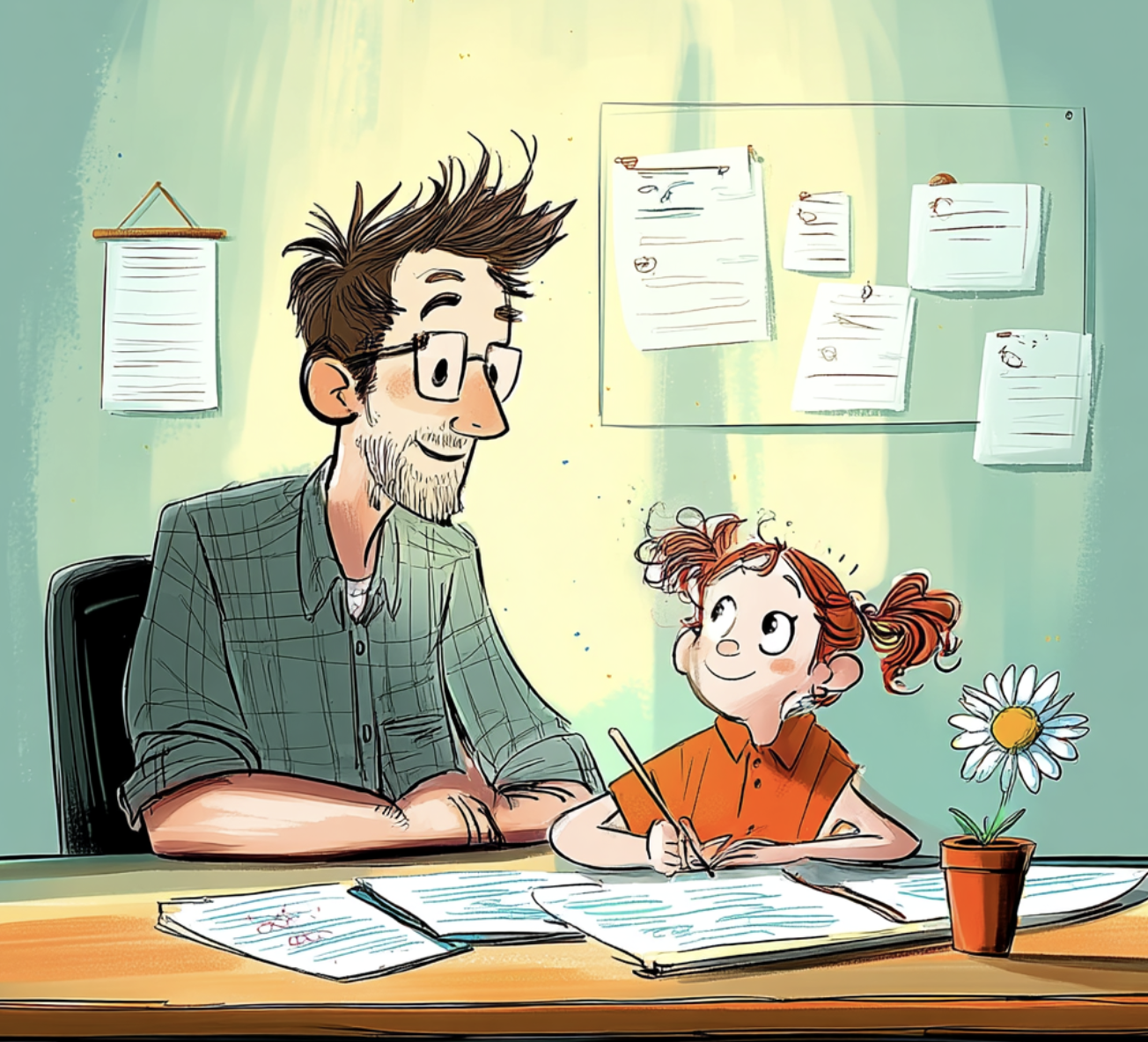
In 1st grade,
Use Listen and Write to help build a solid foundation
You will be able to use CarTalk to practice mental math and build vocabulary.
In the long run, modeling word problems will give confidence to your child as they face many more to come in their educational career!

Math 1: Mental Math
Goal: I can add and subtract larger numbers in my head using new strategies.
CA Standards: OA.2.2
Prompt 1: Model how to solve addition and subtraction problems by counting to and from 20.
10 + 7
You say, “10,”
Then use 7 fingers to count up to 17.
15 - 7
You say “15,”
Then use 7 fingers to count down to 8.
Give them problems, and let them give you one back.
Your goal is to get them to stop needing to use their fingers
Check out our CarTalk Tennis Game
Prompt 2: Model how to use number bonds:
Number bonds ( also known as Fact Families) are groups of three numbers that in a relationship of
Part+Part= Whole
Whole-Part= Part
So if I know:
5+7= 12
Then I know:
12-5=7 12-7=5
Give them a group of three numbers that work like this, and then they give you the facts.
Prompt 3: Model how to add and subtract tens in your head.
Ask them to look and see which numbers change and which stay the same.
45 - 10 = 35
53 + 10 = 63
18 + 30 = 48
Give them problems, and let them give you one back.


Math 2: Place Value
Goal: I understand how to use ones, tens and hundreds place values to read, write, and expand numbers.
CA Standards: NBT.2.4, NBT.2.1 NBT.2.3
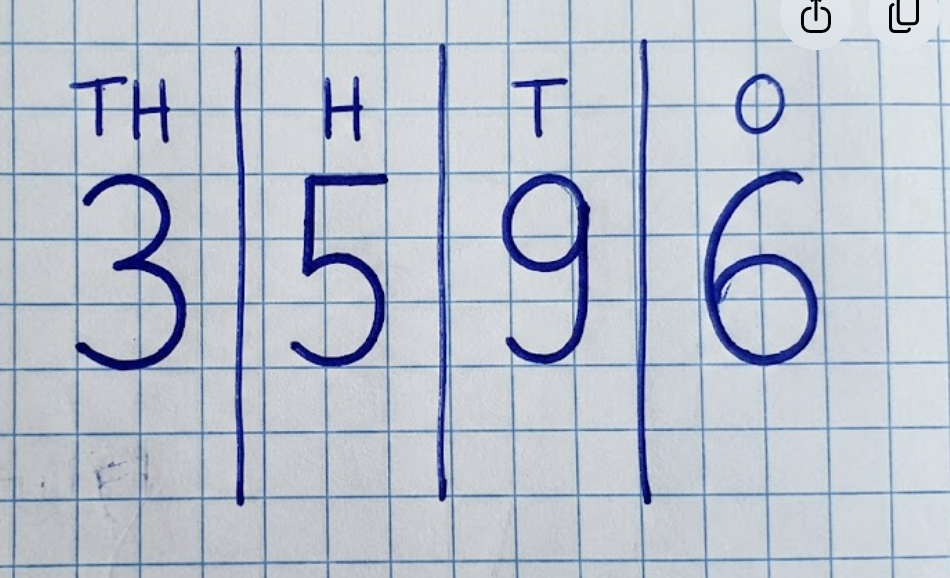
Skill 1: Thousands, Hundreds, Tens and Ones.
Model writing any number between 120 and 9,999.
3, 596
Write the letters Th/H/T/O on top of each of the place values Thousands, Hundred, Tens and Ones.
Have them practice using Listen and Write:
167 279 411 387 459
Next, move them to numbers:
7,147 6,732 4,018 2,345
Make sure you say them slowly as “two thousand, three hundred and forty-five.”
Skill 4: Expanded Form and comparison (<,>,=)
I Do:
Show how to write 347 in expanded form:
300+ 40 + 7 = 347
Say, “there are 3 hundreds 4 tens and 7 ones”
We Do:
Have them use Listen and Write to write some more examples in expanded form:
484 859 395
Have them try this for 4,734
4000+ 700+30+4
I Do:
Compare the numbers 392 and 459 by expanding them first to show that the hundreds column is what matters.
Remind them that we use <. > to compare two numbers, and that the “alligator” eats the bigger number.
300+90+2 < 400+50+9
Use the example comparing 381 and 345 to point out that when hundreds are the same then you go to tens.
300+80+1> 300+40+5
We Do:
Practice using Listen and Write:
1st have them compare any two numbers, with them writing out the expanded form as above.
Later, just give them two numbers and they simply write the comparison:
356 > 349
Move into comparing numbers with the 1000s place.


Math 3: Estimation
Goal: I can round numbers to the nearest 10 or 100.
CA Standards: NBT.2.8
I DO
Model how to estimate or round a number to the nearest 10, using:
47
Check the one's place.
7
If the ones are larger than 5, round up to the next 10.
50
Let’s Try:
44
The one's place is less than 5, and it goes down to zero.
40
We Do
Try some examples:
62 31 26 84 17 23
Check out our CarTalk Tennis Game
I DO
Model how to estimate or round a number to the nearest 100, using:
247
Now, you check the ten's place.
4
Its less than 5, so you would round down to
200
We Do
Here some examples to try:
532 470 256 608 928 761
Check out our CarTalk Tennis Game
Challenge
Have them estimate to solve this word problem:
Luna and Charlie want to buy a $43 lamp and a table for $89. They have $100 to spend. Do they have enough money for both items?
You can change the numbers and try this word problem again and again.
Try checking the exact answers using mental math and see how close your estimates are.
Math 4: Add and Subtract
Goal: I am learning different strategies to add and subtract large numbers.
CA Standards: OA.2.4 NBT.2.5 NBT.2.7 NBT.2.6
Skill 1 Regroup with Addition
I Do:
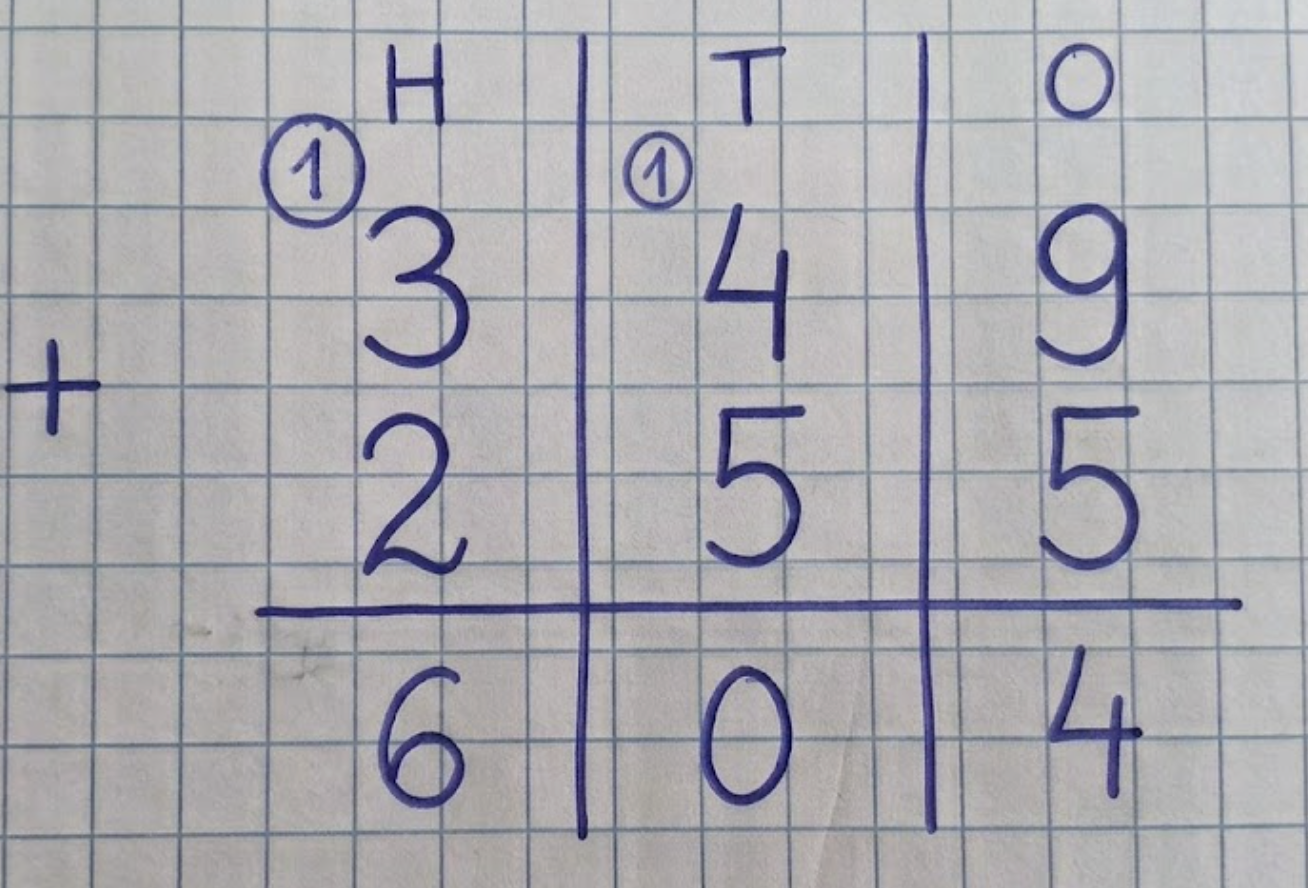
Show how to line up (or stack) the equation 345+251 using H/T/O columns
Start with ones and add the numbers together
Move left and add tens and then ones.
We Do:
Try a few more problems where the columns add up to less than 10.
I Do:
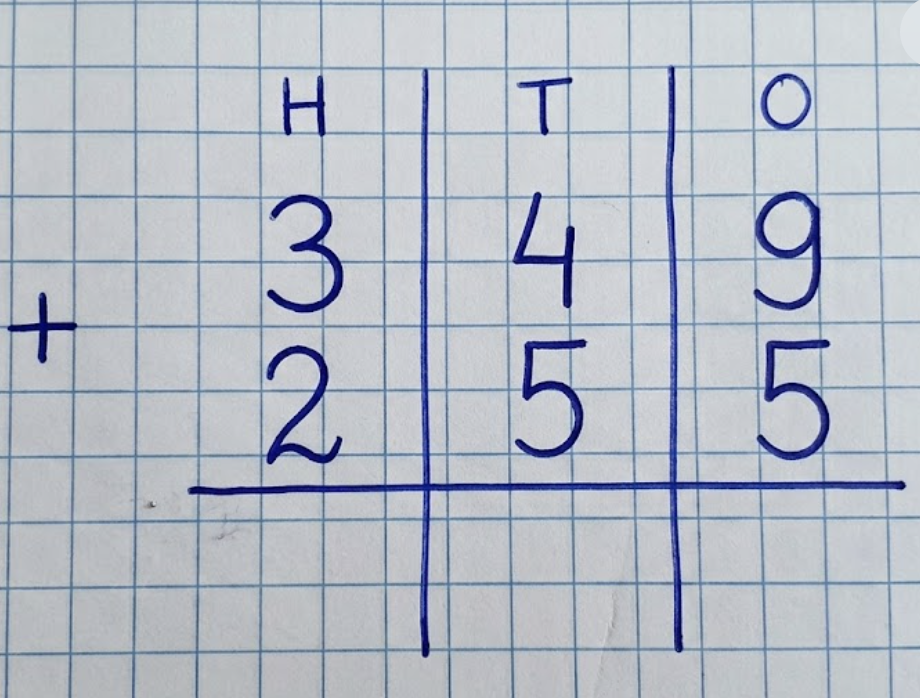
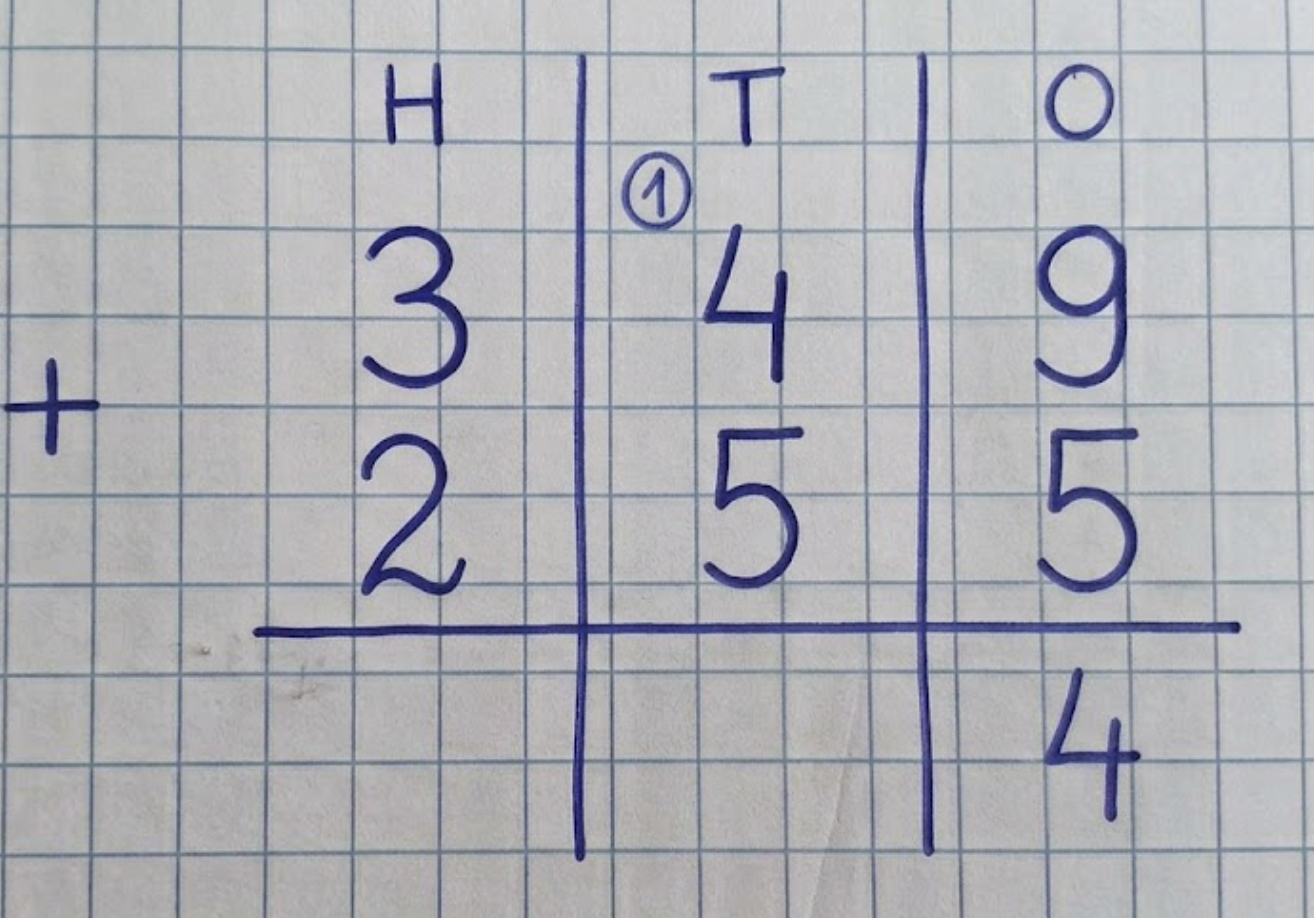
Show how to line up (or stack) an equation like 349+255 using H/T/O columns
Start with ones and add the number together. You will notice 9+5= 14 and the one moves over to the tens column
This makes 1+4+5, which is 10. This one moves over to the hundreds column and 1+3+2=6.
We Do:
Mix many more problems until this skill is solid.
Watch to see if they note where the columns add up to more or less than 10.
Skill 2 Regroup with Subtraction
I Do:
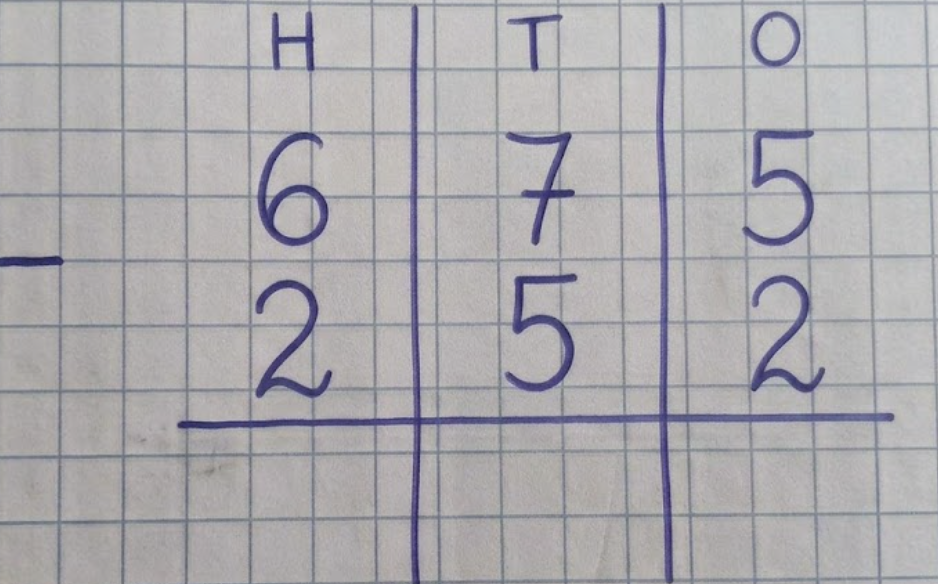
Show how to line up (or stack) the equation 675-252 using H/T/O columns
Start with ones and subtract each column. 675-252=425
We Do:
Try more problems where the top number in each column is greater than the bottom.
I Do:
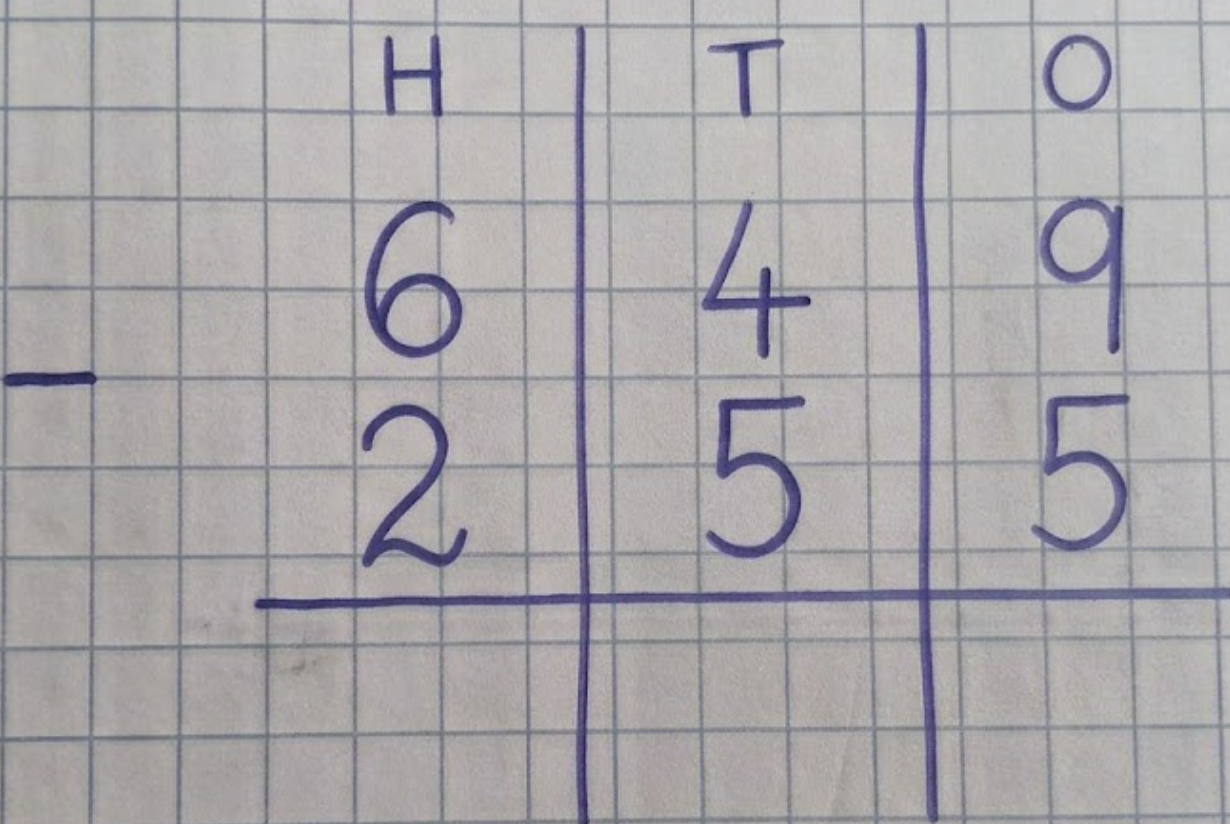
Show how to line up (or stack) an equation like 649-255 using H/T/O columns
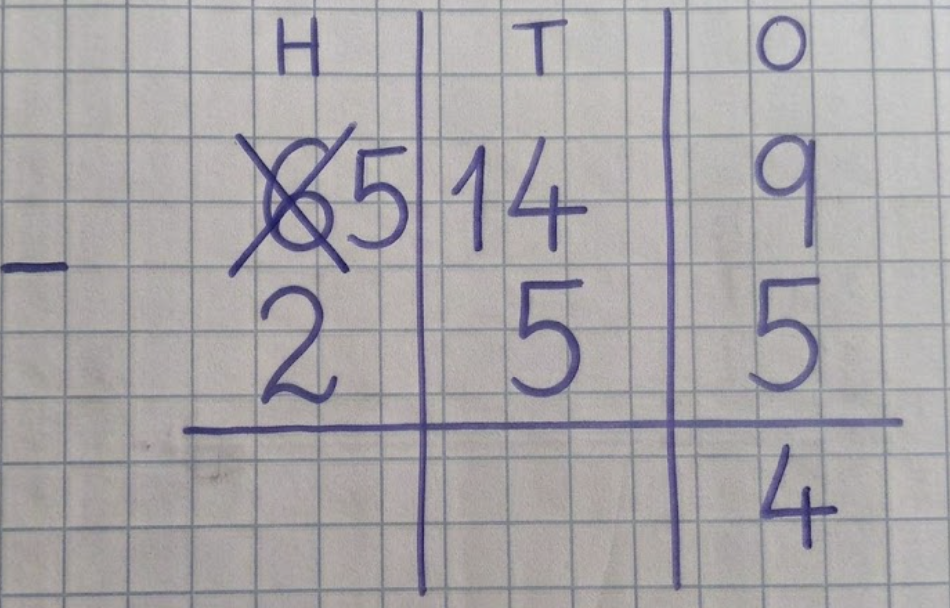
Start with ones column 9-5=4. Now 4-5 you can’t do.
You “knock to your neighbor” and ask the 6 to borrow one and it becomes 5 and then 4 becomes 14.
Now you can do 14-5=9 and 5-2=3.
Your answer is 394
We Do:
Mix many more problems and watch for where the columns need them to “borrow” and when they don’t.
Skill 3 Arrays
I Do:
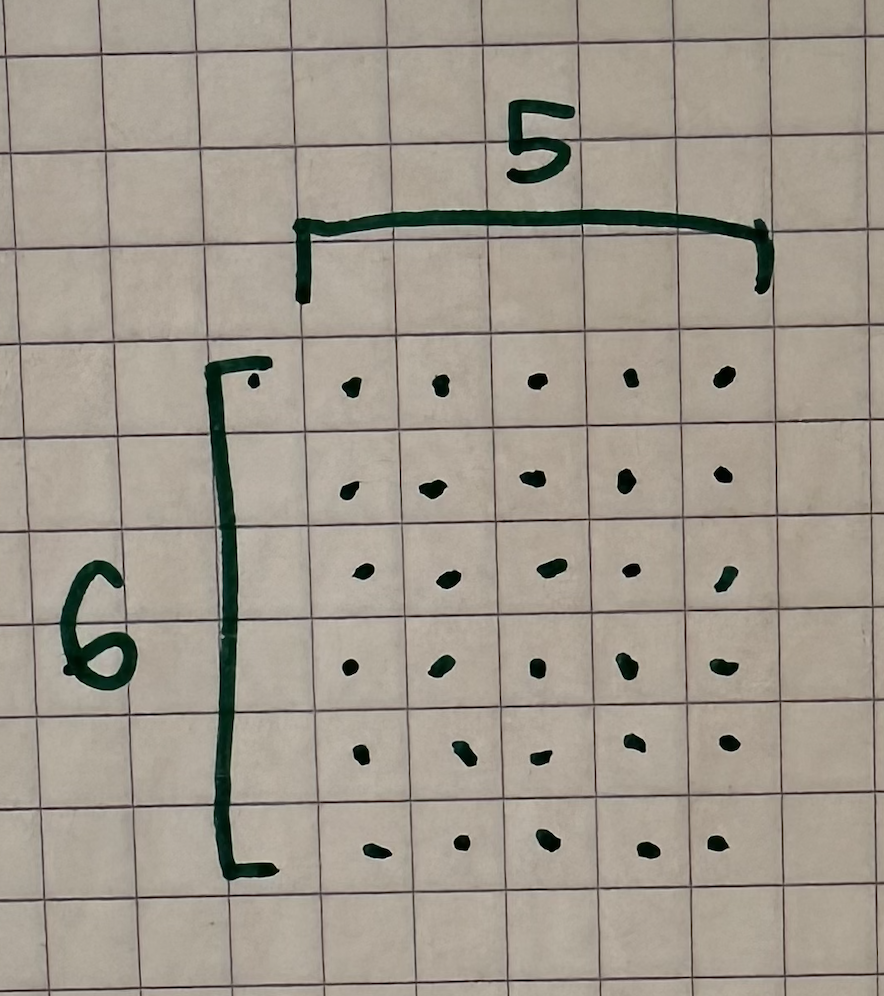
Show how to create an array with dots. 6 rows and 5 columns. Explore how you can use repeated addition to find this is 30 dots.
5+5+5+5+5+5 = 6+6+6+6+6 = 30
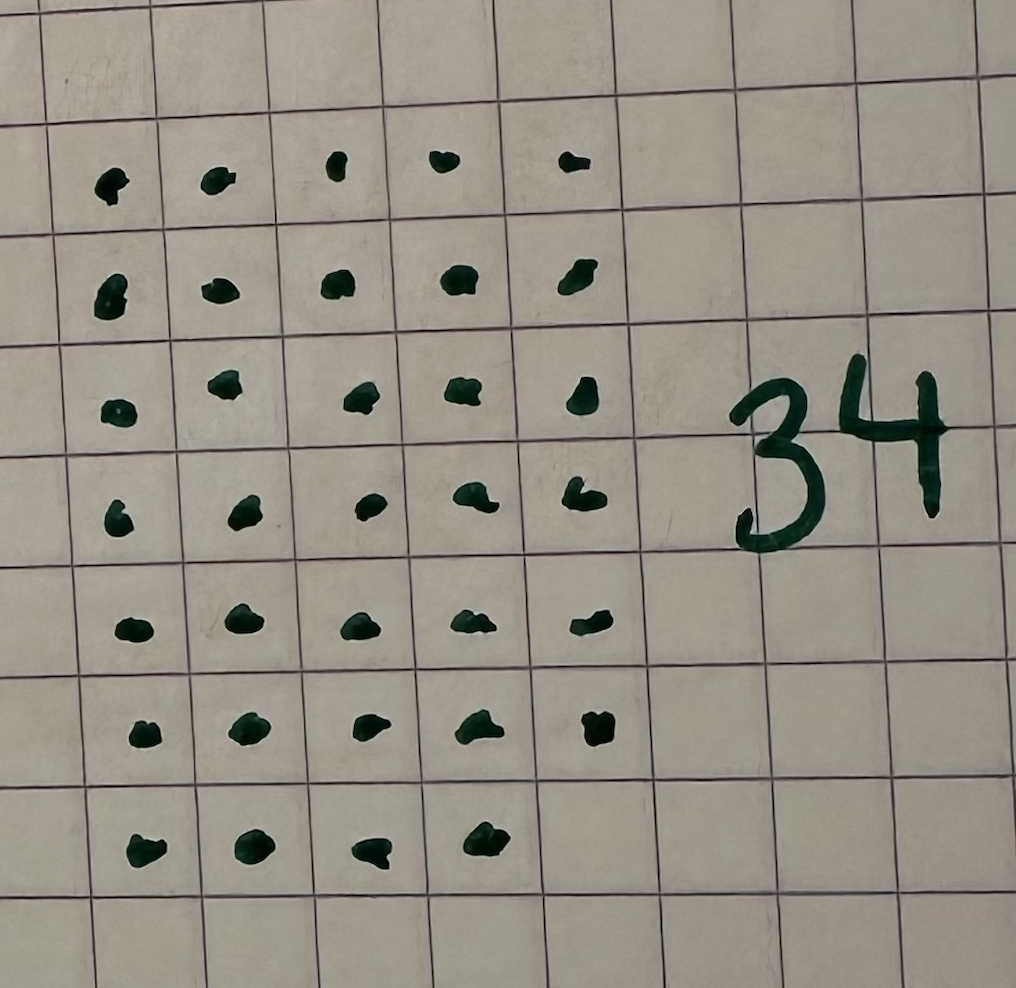
Now let's say I needed 34.
Make four more dots in the 7th row, but it’s not complete.
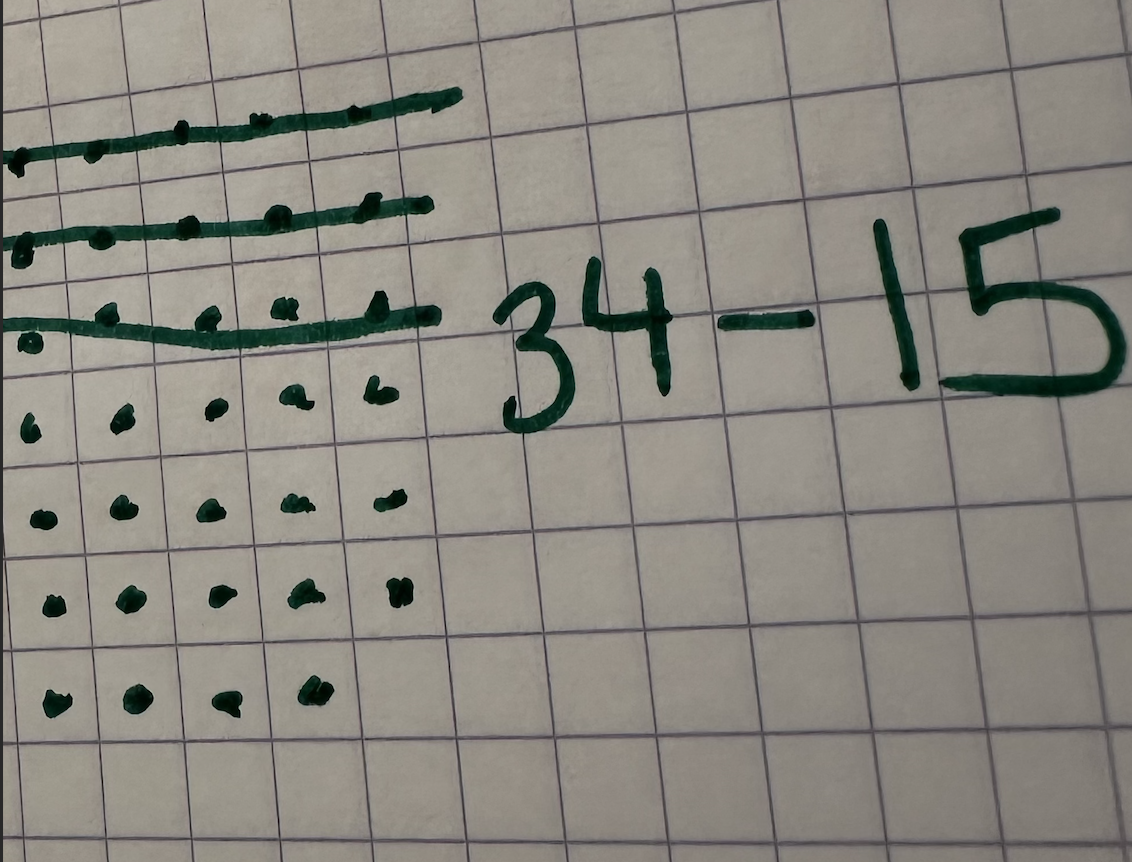
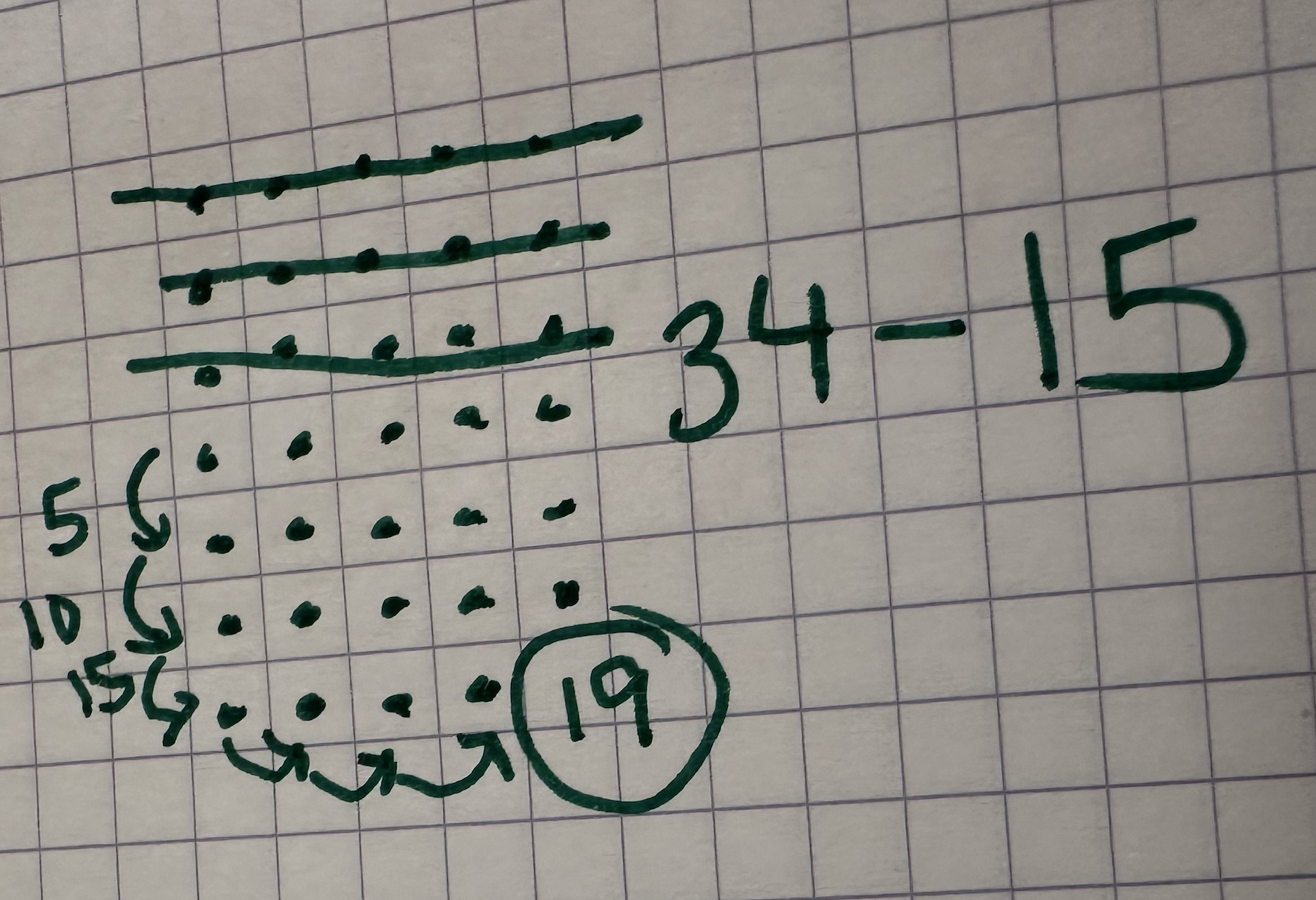
Model how to use this to subtract:
34-15
Cross out 3 rows of 5= 15
Count the rows of 5 and what’s left over= 19
We Do:
Try other arrays using 5 columns. It should be easy to count by 5 to get the totals.
More subtraction problems like:
57-25 62-30 45-17
Skill 4 Add 4 2 digit numbers
I Do:
Show how to add 4 numbers by lining up H/T/O and stacking with:
53+67+14+98
Add the ones
3+7+4+8= 22
Then add tens
50+60+10+90=220.
Add them together
242
We Do:
Try adding other sets of 4 two-digit numbers.
You can see if they prefer skill 1 or skill 4 on regrouping.
Math 5: Skip Counting
Goal: I can count by 2s, 5s, or with even and odds by memory.
CA Standards: NBT.2.2 OA.2.3
Prompt 1: What do you notice when we count by 5s?
Discuss the pattern you see when you count by 5s.
The ones go between 5 and 0 as the tens goes up every other count.
5, 10, 15, 20, 25…100
Count by 5s on your fingers until you get to 35.
How many fingers did you count?
7
You can introduce that these are multiplication facts:
5x7=35
Prompt 2: What do you notice when we count by 2s?
Discuss what happens when you count by 2s
2, 4, 6, 8, 10 …. 42,44,46,48,50
Notice the pattern of the ones column going through this same 2,4,6,8,0 pattern.
Count by 2s on your fingers until you get to 18.
How many fingers did you count?
9
You can introduce that these are multiplication facts:
2×9=18
Prompt 3: What do you notice about even and odd numbers?
If you can count by 2, you have all your even numbers. These can all be split in half.
Now show how you can count by 2 starting with 1 and get all your odd numbers. None of these numbers can be split in half.
1, 3, 5, 7, 9, 11
Say any number and see if they can tell you its odd or even.
Math 6: Number Lines
Goal: I can use a number line to add and subtract numbers.
CA Standards: MD.2.6
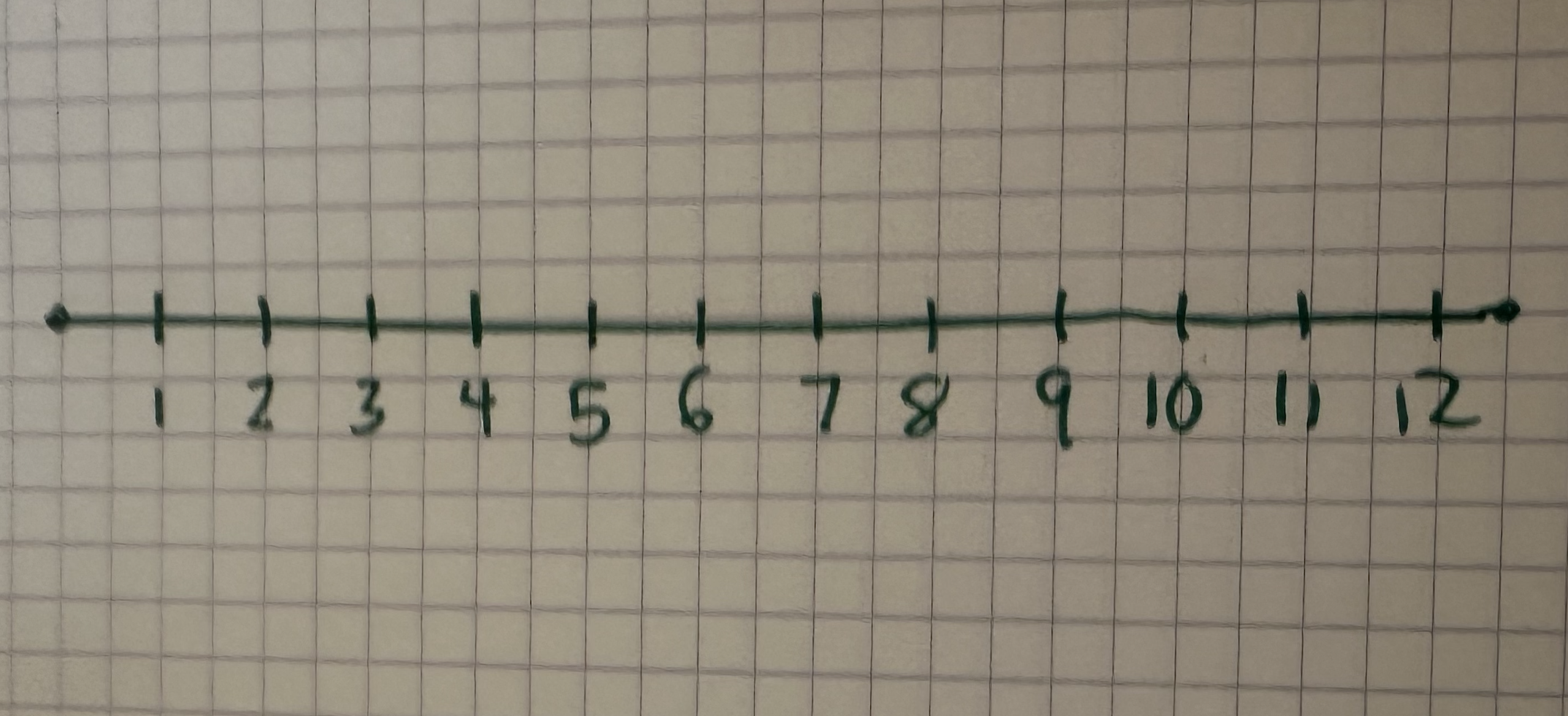
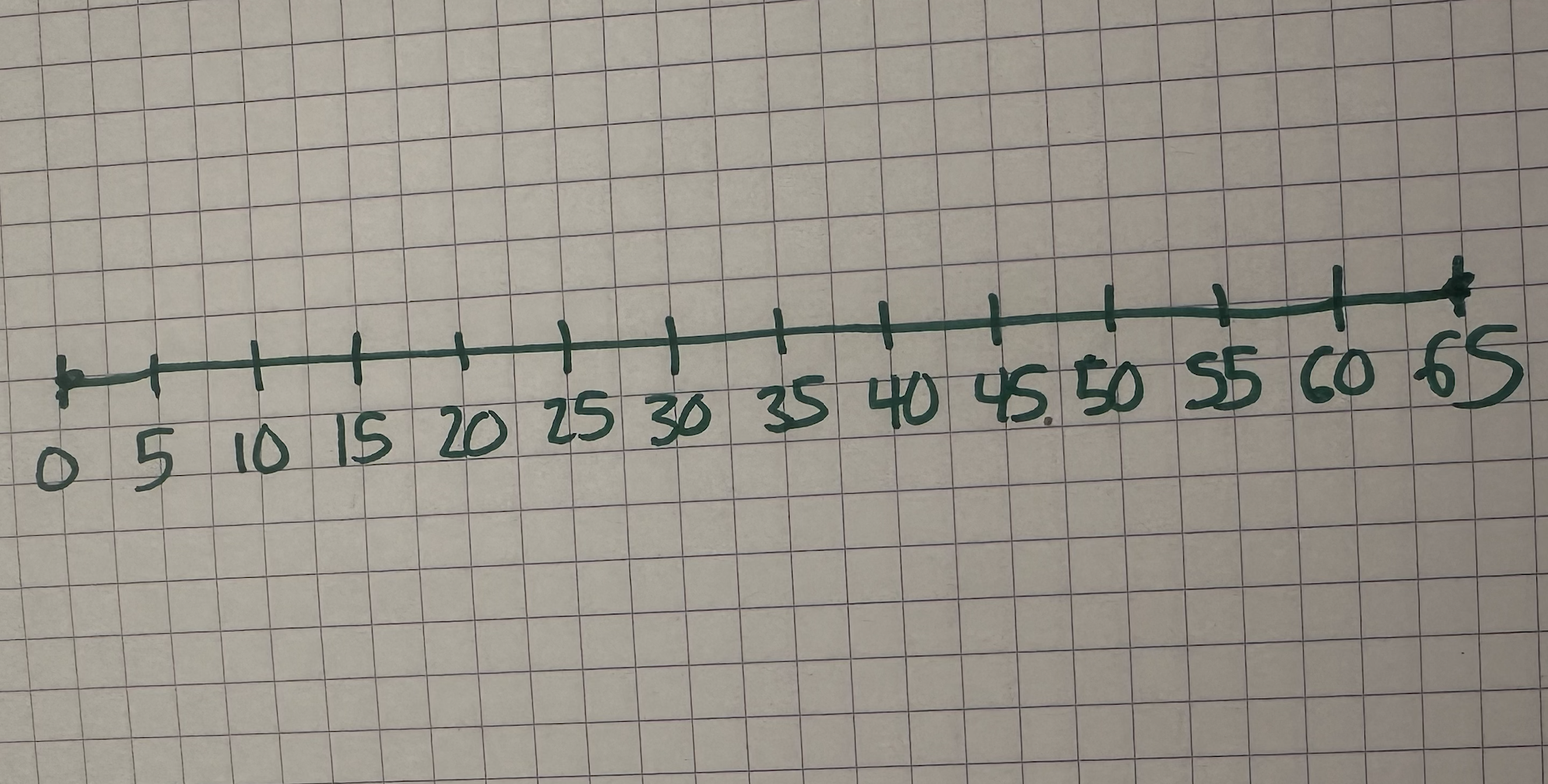
Skill 1: Drawing an accurate number line to different scales
I DO:
Using the graph paper and a ruler, draw along a horizontal line and skip two squares to make a tic. Number each in order 1, 2, 3, 4, 5
We Do:
Have them try to replicate this, but this time have them number, counting by 5. This number line can be used for bigger numbers.
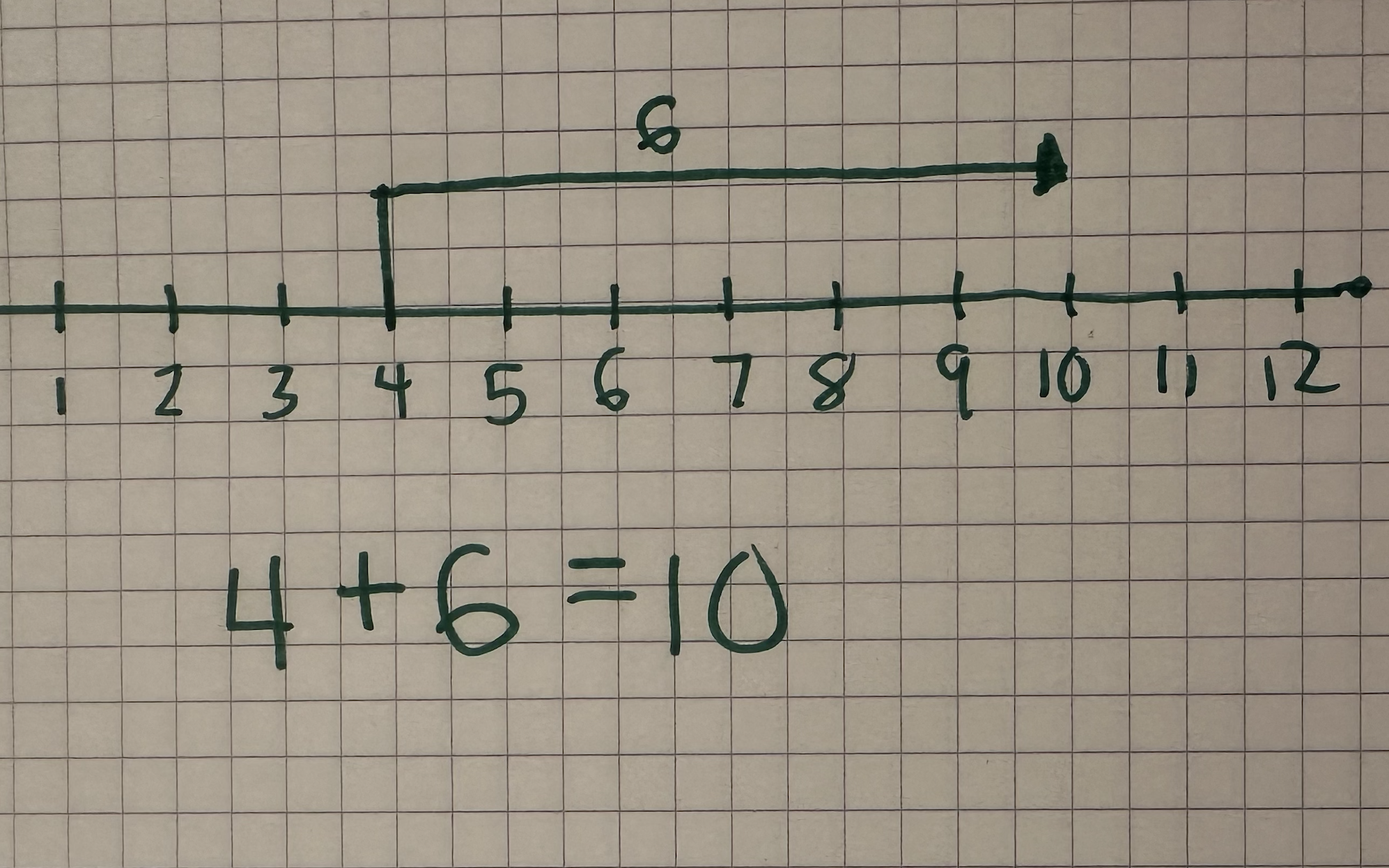
Skill 2: Adding and subtracting with arrows on the number line
I DO:
Using the graph paper and a ruler, draw another number line counting by 1
Write the equation 4+6=10
Show this by starting an arrow at the 4 and drawing it 6 tics up toward 10.
We Do:
Have them try to replicate this, but with 3+2=5
Have them try a subtraction problem like 11-4=7. Now the arrow will count 4 to the left.
When they are ready try a number line that counts by 5 and add and subtract larger numbers.
Math 7: Area
Goal: I can find the area of a rectangle.
CA Standards: G2.1
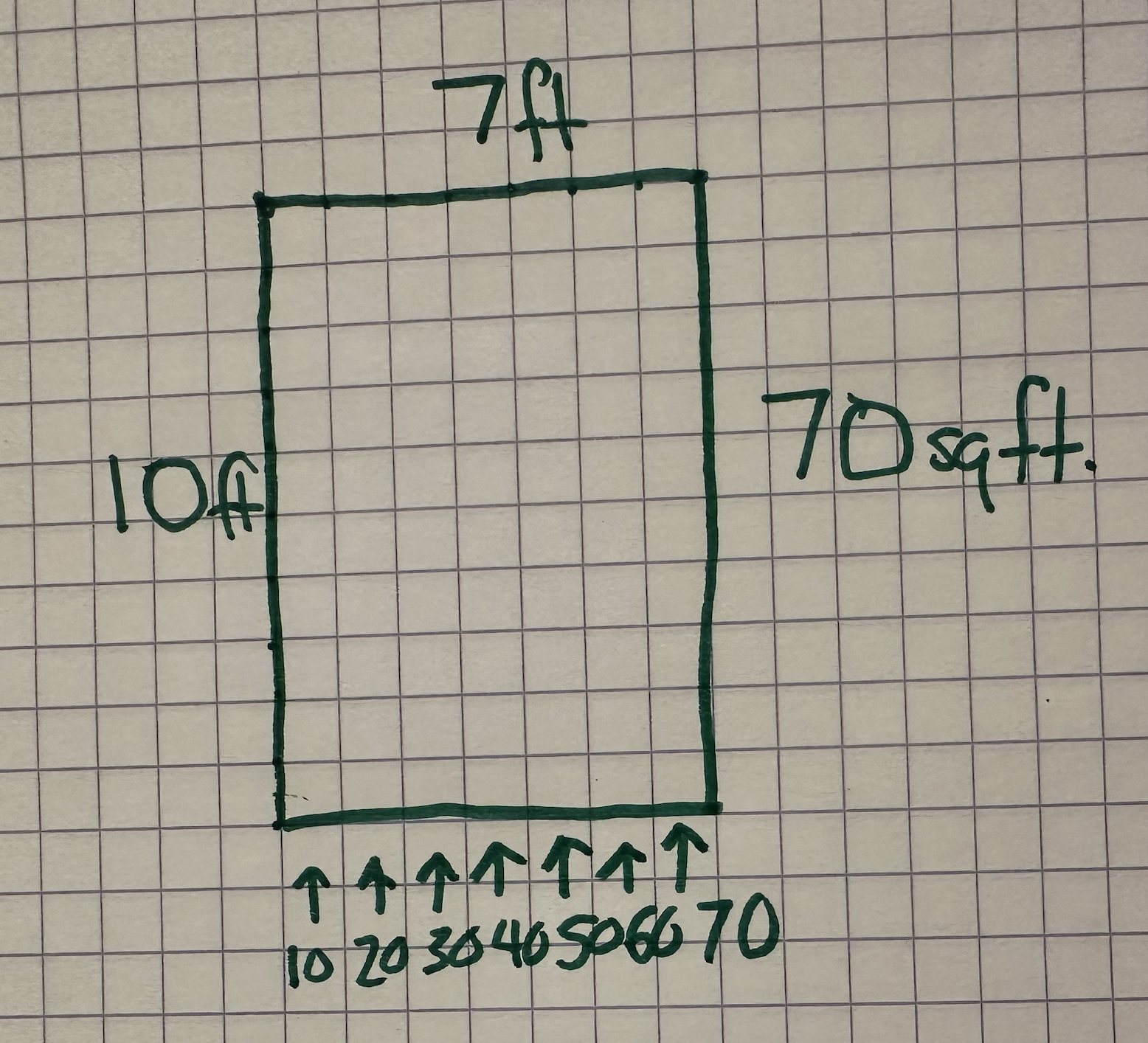
Skill 1 : Using the graph paper to count the squares inside
I DO:
Using the graph paper and a ruler, draw a rectangle 7 squares wide and 10 squares tall.
Count the columns of 10, up to 70.
There are 70 squares inside, so the area is 70.
Talk about the units you want to use. If the sides were feet than the area would be square feet.
We DO:
Have them carefully draw a rectangle 6 squares tall and 5 squares wide, and confirm the units are feet.
Count the rows of 5, up to 30. The area is 30 square feet.
Practice drawing more rectangles and counting area until they are able to do this on their own.
Skill 2 : Multiply the sides
I DO:
Using the rectangles you have created, discuss how we use multiplication of the height and width to find area.
The area of the first rectangle could be found by 7X10=70. The second would by 6X5=30.
We DO:
Draw a rectangle 9 squares tall and 5 squares wide. Have them use their fingers and count by 5s to find the answer. 9x5=45.
Practice with more rectangles. What about one that is 21x5?
Math 8: Word Problems
Goal: I can identify what the word problem is asking of me and solve it.
CA Standards: OA.2.1
I DO:
Model how to solve the two-step word problem below, by thinking aloud on how to identify what steps need to be taken
Luna brought 18 sunflower seeds, and Charlie added 5 marigold seeds.
They want the garden to be big enough for 30 plants in all.
How many more do they need?
You first need to add to see how many they have together.
18+5=23
Then you need to subtract to see how many more they need to get to 30.
30-22=7
The final answer is 7.
HINT: You may decide to use a number line from Math 6 to show this, as your student may prefer this method.
We DO:
Use this same problem frame and switch the numbers around a few times until they get used to it.
Maybe Luna has 25 seeds and Charlie has 12. Now they need 45?
Try a new kind of two-step question together:
Luna brought some sunflower seeds. Charlie added brought 7 marigold seeds. The garden had 24 spots for plants, and they had 4 more than they needed. How many seeds did Luna bring?
You can use AI to generate more iterations of these using the prompt:
“create a 2nd grade two step word problem.”

Math 9: Shapes
Goal: I understand the different properties and names of more shapes.
CA Standards: G2.2 G2.3
Prompt 1: Naming Shapes
2-D
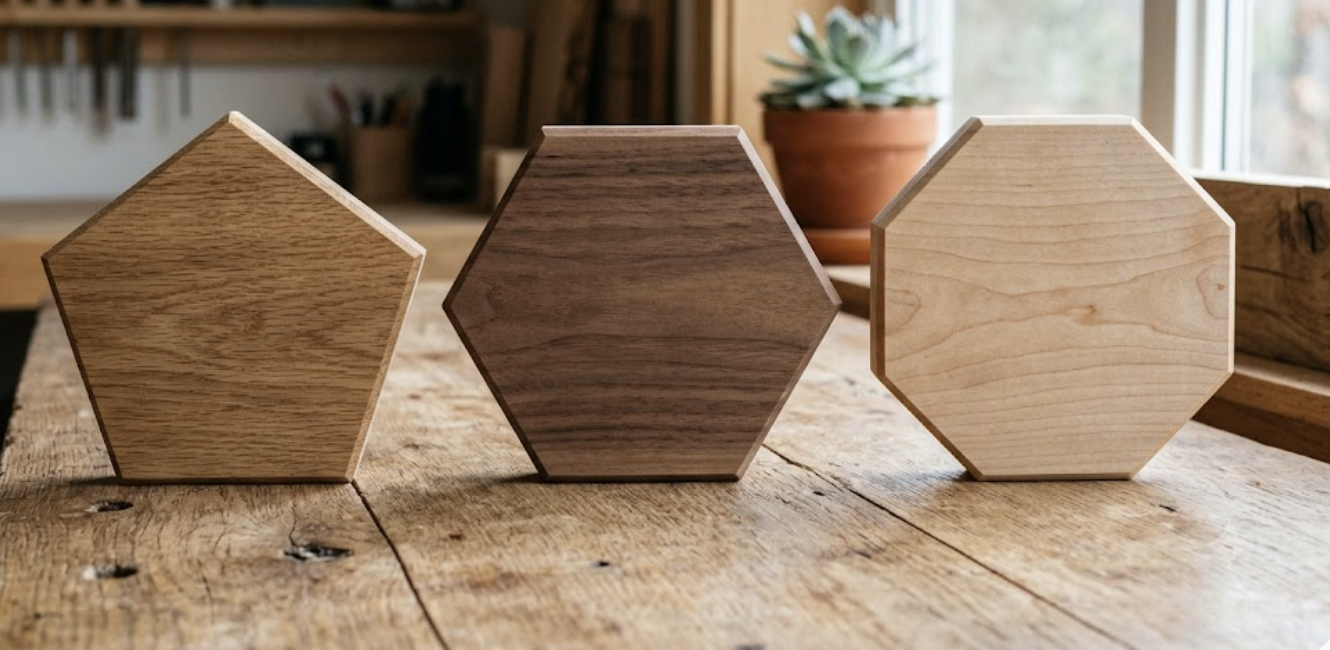
Describe the properties of a pentagon, hexagon and octagon. These have 5, 6, and 8 sides and angles, respectively. Using the image below, ask them to find examples of each.
See if they can name where they have seen these in the real world!
3-D
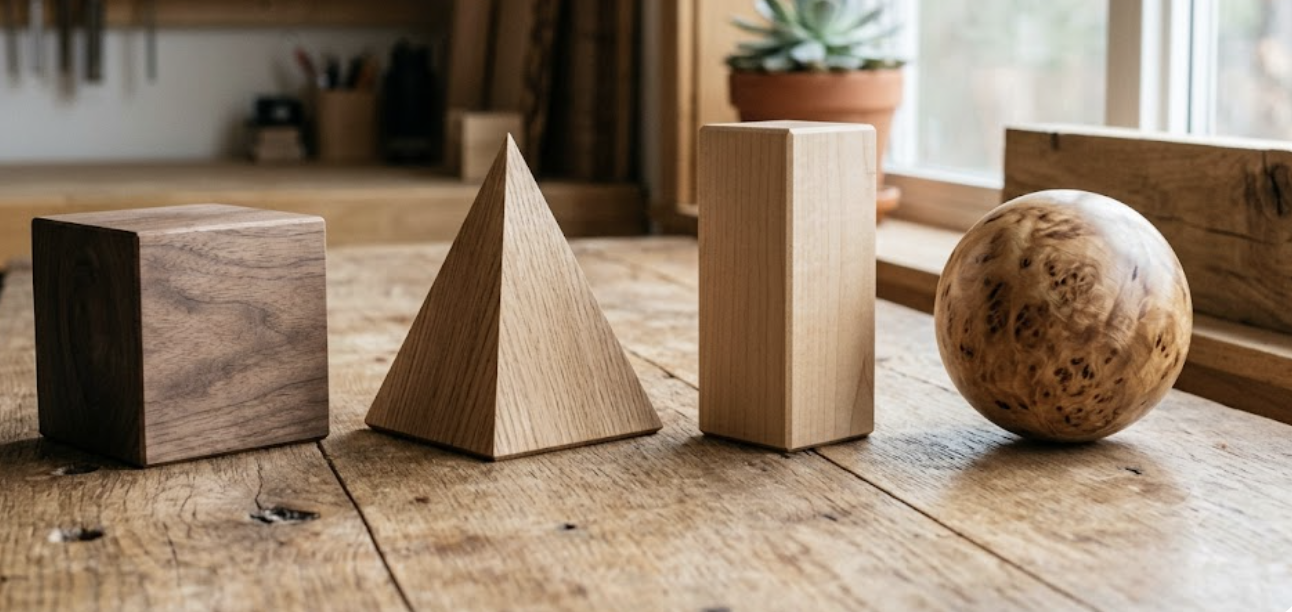
Describe the properties of a cube, pyramid, rectangular prism, and sphere. Use the terms, sides, corners and faces to point out the differences on the back of the card.
Can you find any on our drive?
Prompt 2: Dividing into equal parts.
:
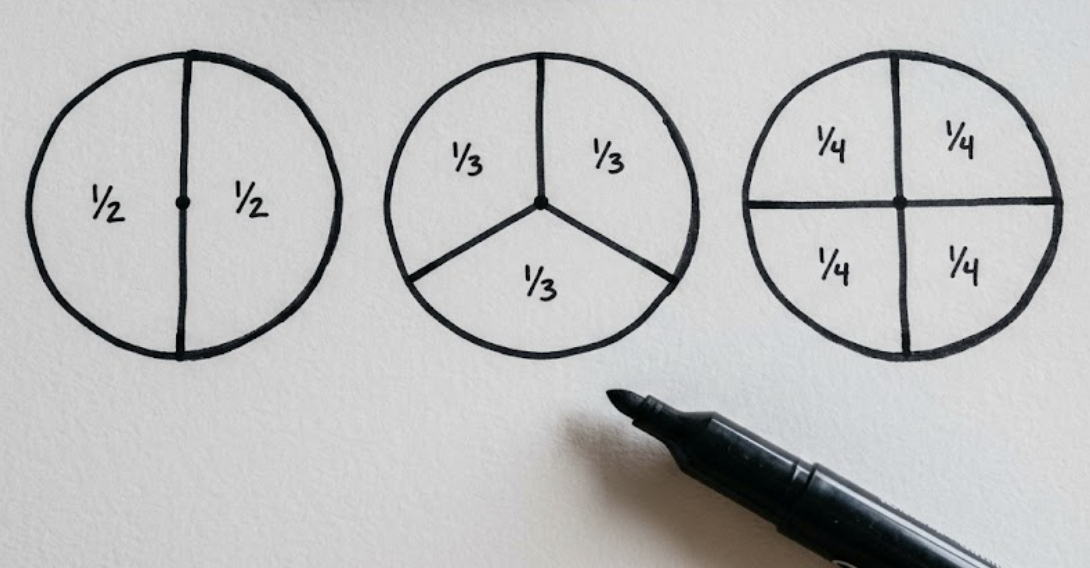
Use the 3 circles to point out the circle divided “in half,” the circle in “thirds” and the circle in “quarters”. Be clear with these terms mean equal parts.
Ask them to cover “two-thirds” or “three-quarters.”
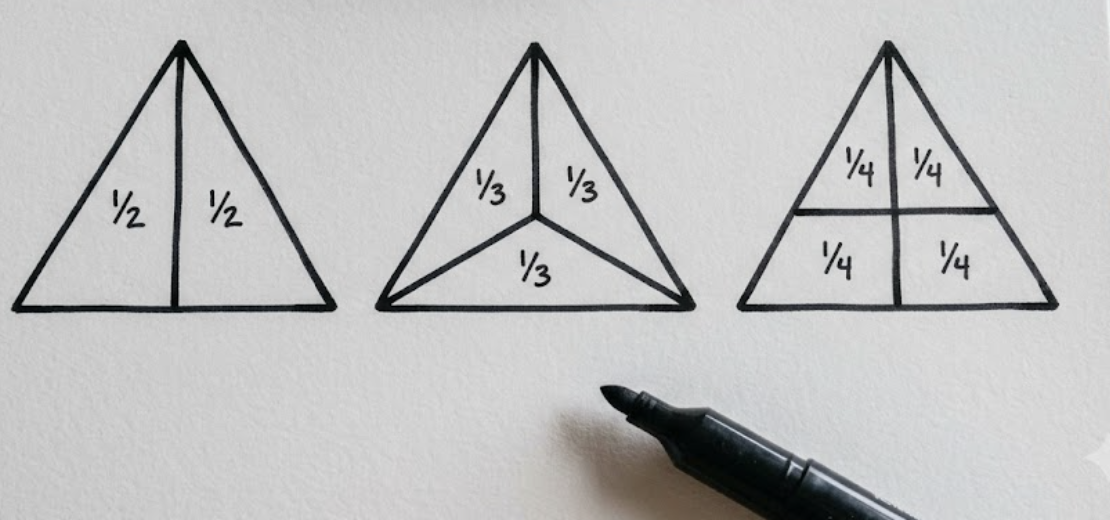
Try the triangles and have them point out which are divided equally and which may not.
Ask them to point out the triangle divided into thirds.
Ask them how they can tell which ones have equal parts.
Language 1: Sentences
Goal: I am gaining more tools to write grammatically correct sentences.
CA Standards: L.2.1c L.2.1b L.2.2b L.2.2
Skill 1: The Comma
Model how to use a comma to combine two complete sentences using words like and/but/or.
I like red, but you like blue.
Janice went away to summer camp, and her mother was so proud of her.
Make sure they know they can combine phrases (with only verbs or only nouns) together without a comma. Practice some tricks like:
I like red but not blue.
Janice went away to summer camp and had so much fun.
Model how to use a comma in a date or in a series of items.
Abe Lincoln was born on February 12, 1809.
We had eggs, bacon, and toast for breakfast.
Skill 2: Contractions
Model how contractions can shorten two words by combining them.
I can not wait to see you.
I can’t wait to see you.
You have become so smart.
You’ve become so smart.
Apostrophes replace the letters that are dropped from the second word of the contraction.
Use Listen and Write to practice. You can say a sentence with the contraction, and they write the two words or vice versa.
Do not Don’t
Was not Won’t
Could not Couldn’t
Could have Could've
I am I’m
You are You’re
We have We’ve
They are They’re
We would We’d
Have not Haven’t
Are not Aren’t
We will We’ll
Skill 3: Past tense
Discuss how you change a verb when you are speaking in the past tense, or when something happened before now.
Most past tense verbs are created by adding ed to the end of a verb.
Try using these two sentences first.
Present tense: Today, I walk to school.
Past tense: Yesterday, I walked to school.
Try a few more past tense sentences and correct any mistakes.
Next, you give them Listen and Write sentences in the present tense, and they write them in the past.
When ready, try sentences with verbs that have past tense formed differently:
hit, run, sit, throw, drive, go, be
Mix your practice between regular and irregular verbs. Here are some examples to try:
The cat hides from the dog.
Theo plays ball at the park.
I tell my mom about what happens at school.
HINT: Have them try saying the verb in the past tense to see what sounds right before writing it.
Skill 4: Tricky Plural Choices
Introduce “Collective Nouns” as words that describe more than one person or thing, but still use the singular form of the verb. (is, was, has, etc).
team, class, group, pack, school
Use these example sentences:
The class is behaving well.
The group is going next.
Mix sentences with regular plural words like people, fish, cars and have them choose the right verb as they write.
This is a good time to practice the other plural nouns that do not use an “s” at the end.
foot, child, goose, mouse, octopus
Use sentences with singular nouns and ask them to write the plurals.
The child was excited for summer vacation. How would I write this with more than one child?
The children were excited for summer vacation.
Skill 5: Reflexive Nouns
Reflexive Pronouns refer back to the what/who they represent.
itself, myself, himself, herself, yourself, themselves
Use frames and ask them which reflexive noun to use as they complete.
She was happy with ______
He looked at _______ in the mirror.
Have them write their own sentences and explore ways to use them all.
Skill 6: Capitalization
Remind them of the rules on capitalizing the names of places, people, days, months, and products.
Try these sentences and check:
The teacher was not here on Wednesday because they went to Vermont.
The best book I read in September was Harry Potter.
Try more sentences mixing in capitalization until you see this is solid.
Language 2: Vowels
Goal: I am becoming more comfortable with spelling vowel sounds.
CA Standards: RF.2.3d RF.2.3e
Skill 1: Long Vowel Word Families
Long vowels use different teams of letters to spell their sounds. It's important to notice the different patterns and remember which words are in which “family.”
You can start Listen and Write with the word family -EAT. You can write:
Seat
Then have them try:
eat, meat, treat, beat, neat, heat
Next, show them:
boat
Then have them try:
float, coat, goat
Next show them:
Clue
See if they can spell:
blue, cue, rescue
There are many more to practice:
Light, night, sight, bright,
sky, fly, my, try, by,
mail, pail, sail, trail
Remind them of all the Long Vowel families that use silent E
Each of these words are their own family. See if they can add more words to each.
Long A. skate, grape, tale, same, snake
Long I bike, tile, mice, time
Long U. cute, rule, duke
Long O poke, stole, note
Skill 3 Other Vowel Spellings
There are other vowel sounds that do not say their name like Long Vowels.
The Cow sound spells with:
-ow when it’s at the end of the word
-ou when it comes in the middle.
Practice with building word families for:
couch, sour, plow
The Hawk sound spells with:
-aw when its at the end of the word
-au when its at the beginning or middle
There are definitely words that don’t follow the rules (Awesome and Dawn)
Practice with words like:
saw, claw, auto, taught
The R sound, like in Car can cover a vowel and make it sound different
These R vowel (or/ar/ir/ur/er) sounds can be practiced separately as they can be easily confused.
Try building word families for these:
star, store, stir, purse,
first, helper, smart, sport
Language 3 Sight Words
Goal: I can spell more and more new sight words.
CA Standards: RF.2.3b
Prompt: Discuss how certain “sight words” don't follow the letter-and-sound rules and that you will need to memorize.
These are the words that will help you move into writing better and better sentences.
Challenge them to spell each of these as you drive.
Add more words each week over time, and always spiral back to practice previous ones
Easy Medium Hard
the because laugh
have friend eight
you these thought
Are people kind
Said about different
My should although
does please question
Keep adding to this list:
If you think of more or you spot one while reading and add to this rotation.
Your teachers may call these “Red words” and already provide you with a weekly list.
We have a full list of 2nd-grade sight words linked here.
Language 4: Longer Words
Goal: I can read and write longer words.
CA Standards: RF.2.3a
The key to reading longer words is an understanding of how syllables work.
Start by practicing with your student how to clap out syllables in words using:
hap/py read/ing ta/ble
Point out that each syllable has a vowel sound.
When the vowel comes at the end of a syllable,’ it becomes long. (Open)
If a vowel is followed by a consonant before the syllable break and its alone, it's short. (Closed)
Use Listen and Write to practice spelling words by their syllables and have them write in a dividing line:
o/pen
si/lent
ta/ble
han/dy
re/mem/ber
Feb/ru/ar/y
Have them point out the Open and Closed syllables in each.
Practice words that use vowel teams to create long vowels inside closed syllables like:
sleep/y
rain/bow
clean/est
eat/ing
Language 5: Adjectives and Adverbs
Goal: I can use adjectives and adverbs to make sentences more interesting.
CA Standards: L.2.1a
Prompt 1: Discuss some examples of describing words that you have heard or read.
You can give some examples:
messy, pretty, shiny, smooth, rough, soft, sweet,
slowly, loudly, quietly, happily, carefully,
Point out that the first list of words is of adjectives. These describe things and events (nouns).
The 2nd list of words is of adverbs that describe action or doing words (verbs). These often use -ly at the end of the word.
See if you can list as many of each as you can.
Continue the conversation on the purpose of these words:
Why does the author use these describing words when writing?
Do you have a favorite writer who really gets a movie in your mind?
Prompt 2: Let’s try to add adjectives and adverbs to simple sentences.
Read the following example:
The boy opened a box.
The surprised boy carefully opened the mysterious golden box.
Have them name the adverb:
carefully
Then name the adjectives:
surprised mysterious golden
Play a game of tennis where one person says a simple sentence and the other adds adjectives and adverbs to make it more descriptive. This can get silly!
Language 6: Fluency
Goal: I can read at least 90 words per minute and read inside my mind.
CA Standards: RF 2.4b RF 2.4a
By 2nd grade, developing a Reading Time Routine is critical. It can be pretty independent, as they should be able to read on their own.
Fluency is your student’s ability to read words without pausing to decode the letters and sounds. This allows them to “listen” to the story as they read it. A big signal that they are reaching this level is their ability to read silently.
It's important to give the primary responsibility of reading during StoryTime to your student.
You can put your finger on each word as you listen to them read.
As the story develops, stop and think aloud about the story, the characters and the illustrations.
Model how to make the characters voices and personalities come alive as you read.
Try some sessions where they read quietly, and you check in with them and ask the same questions periodically.
Read to them when you see they are getting tired or for special occasions.
In 2nd grade, the goal is for your student to read a grade level book at 90 wpm.
When your student seems ready, maybe in the winter or spring, try using a timer to have them read a story and count the words they read in one minute.
Put this number in the box for the L6 card in your notebook to track your progress!
‘
Use AI to generate a 2nd grade text and print it out, you can mark off where they finished with a pencil and cross out any words they misread.

Language 7: Clarify
Goal: I stop when I am confused in a story, and use the other words and clues to figure out what is happening.
CA Standards: RF 2.4b RF 2.4a L.2.4
As they read, hold your finger under each word and observe your child for any sign of confusion or stumbling in pronunciation.
In 2nd grade, they will be introduced to many more new content-specific words and jargon, so this happens frequently.
Pause them from reading and take the time to explicitly model by thinking out loud using the following skills:
Skill 1: Context Clues
When a confusion arises, you can look for clues in other words in the sentence, or any pictures. Here is an example you can use:
The bird flew up to feed the squirming aphids to her young.
Birds might eat insects or plants. Insects would squirm.
Might aphids be an insect?
Skill 2 Root Words
Look can also for clues in the word. You can break it into its root and any prefix or suffix.
Careful
I know the word “care” and the suffix “ful.”
Then, I can guess that careful means “full of care.”
If interested, your student can create a picture dictionary in their notebook to gather these new words and definitions.
You can use CarTalk and the Language 11 Vocabulary card to ask them the new words they have added and quiz them on definitions.
This can also be a great time for them to quiz you on words and allow you to share your definitions.
Click here for a list of common:
root words
suffix and prefix
Language 8: Parts of a Story
Goal: I can appreciate how an author organizes a story to accomplish a purpose.
CA Standards: RL 2.5 L.2.4
After you read the chapter of the story, talk about the good writing techniques the author has used.
The author has a purpose. How did they organize their paragraphs to focus your attention?
What do you think the author’s purpose was in writing this story?
A good story has a clear beginning, how was the setting and characters introduced?
In the middle, what was the problem they faced?
At the end, how was this resolved?
Using the notebook, ask them to draw a picture and write a brief description of the beginning, the middle and the end. Encourage them to go back to the book to reread the scenes they want to highlight.
Ask questions as you reflect:
How did the characters grow and change?
Was there an unexpected event or twist?
How does this compare to other books you have read before?
Language 9: Making Connections
Goal: I can see how the characters or events in the story are like things I have seen.
CA Standards: RL.2.5 RL2.6 RL 2.9 RL 2.10
As part of the Reading routine, take an opportunity to start a chapter book. There are some great book ideas if you click here.
Skill 1: Spotting Similar Situations
While reading, spot something a character does, says, or feels that you can connect to something in your own life or something you have seen before.
"Does this remind you of when we...?”
“Does this remind you of someone you know at school?”
Skill 2: Prior Knowledge of the World
Making connections lets you tap into prior knowledge of the experience and get deeper into the story or article.
If you are reading a story, ask something like:
"If you were around this character, what would you say to him?"
"How do you think she is feeling after she realized this?"
If you are reading an article or informational text, ask something like:
“Have you heard of this behavior in butterflies?”
“Does this article challenge anything you thought was true about this topic?”
Skill 3) Predicting the outcome or ending
Using this prior knowledge, one can make predictions of what might happen next.
Here are some example question frames you might use to elicit this thinking:
“Based on what you know about this character, what do you think they will do in the next chapter?”
“You are an outer space expert. How do you think this decision by the Artemis team will help them understand the moon?”
Language 10: Asking and Answering Questions
Goal: I can use specific points in the text to ask and answer questions.
CA Standards: RL.2.1 and RI.2.1
As part of this Reading routine, a chapter book is required. There are some great book ideas if you click here!
Skill 1: Questions that Find the Answer
After reading the next chapter in the book, model asking a question that you can find the answer to in the story.
These are typically Who, What, and Where questions that are easier to answer.
Take turns and let them ask you a question, and you show them how you find the answer in the book and point to the words.
Then you can ask them a question and have them find it.
Skill 2: Questions that Develop an Opinion
Using CarTalk, think aloud about how to find an opinion to answer "How and Why questions such as:
How did the character feel after the event happened?
How did they solve the problem in the story?
Why do the butterflies have colorful wings?
After they finish a chapter book, they can develop a quiz in their notebook or using a Google Form, Kahoot or other platform.
Language 11: Vocabulary
Goal: I continue to expand my vocabulary both in speaking and in writing.
CA Standards: RL.2.1 and RI.2.1
Prompt 1: Let’s think of all the compound words we know!
2nd grade emphasizes the exploration of compound words. Identifying the two words and knowing the meaning of one or both will help your student navigate these meanings on their own.
Give some examples and have them guess their meaning:
backstage
Alongside
homemade
airman
backslide
sunset
Teamwork
bedtime
afterschool
Have them try to list as many of the ones they already know and define them. You can play tennis.
Prompt 2: Let’s look at the different shades of meaning each word has.
Discuss how, as they get older, they are learning so many new words. If they mean similar things, they have to be more careful to choose the right one to get the exact “Shade of meaning” they need to express.
Have them compare and discuss the difference between:
running and sprinting
looking and staring
cozy and safe
Have them give you pairs of similar words for you to distinguish
Prompt 3 Categories
Helping your child to connect new words to their existing inner organization of words or “schemas” is key to supporting them to use them.
Create lists of words for each category:
clothes
plants
tools
weather
forest animals
Have them create a new category for you to list words for.
The 2nd Grade Projects

🔍 Project 1: Write to Inform
Goal: Research a topic using multiple sources to create an informative "Reference Book" with text features.
CA Standards: W2.2, RI2.5, RI2.7, RI2.2, L2.4, RI2.8, RI2.3, RI2.9
Card A: Brainstorming a topic to investigate
Prompt 1: Let’s narrow down what would you like to learn more about.
Present 2-3 different topics you feel like they may like. Try to keep it more focused than broad. For example:
Butterfly life cycles
The moons of Jupiter
The invention of the car
Listen to their ideas, and prompt them to choose the one that will make the best report.. (use the link to Socratic Dialogue method of questioning on the website)
Prompt 2 What are some questions you have on this topic?
Model for them how to ask good questions that will become the subtopics for the report.
This will guide your research, drafting, and the charts they create when publishing. Here are some questions for a report on butterflies.
How does a caterpillar grown up into a butterfly?
Why do butterflies migrate?
What do butterflies eat?
Why do humans love butterflies?
Notebook follow up:
When you return home, have them write down these questions in their notebook on seperate pages to give space for their research.
Card B: Gathering Answers in Your Own Words.
I DO:
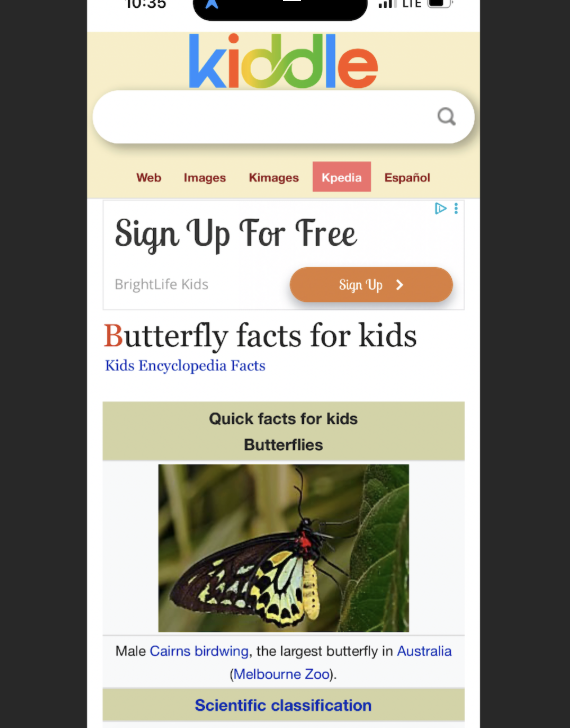
Choose one of the questions, "Why do butterflies migrate?" and model how to find the answer using a search engine like Kiddle., by typing the question and scanning the results.
Model how to use links within descriptions to explore the answer and related items of interest to include.
OR
Before beginning this card, visit your local library and use their catalogue system to find books on the topic.
Model how to use the Table of Contents and Index to locate the topic you are looking for. Locate the specific page and paragraph containing the answer.
I DO (either method):
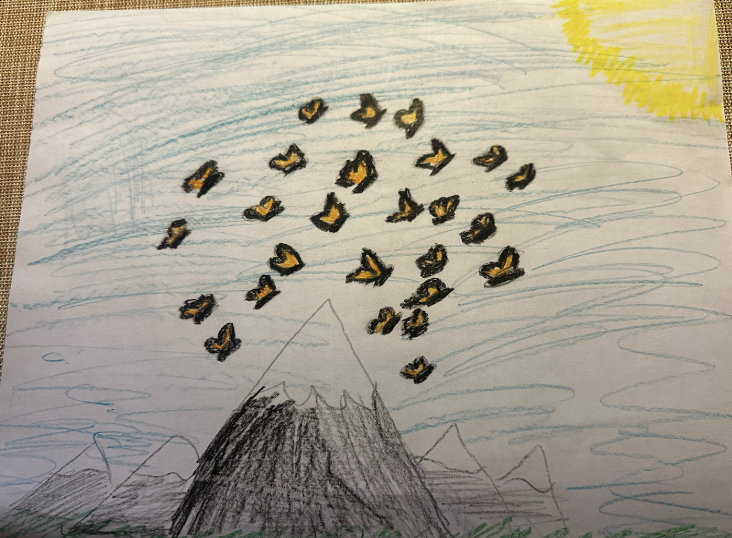
Model how to take organized notes with words and phrases. (make sure they write down the link you find your information down) (COULD USE A VISUAL)
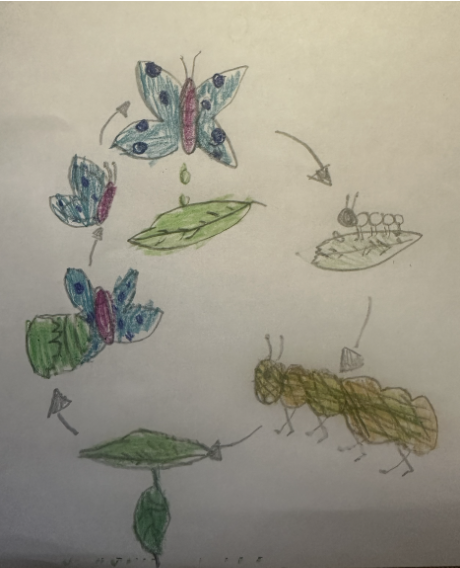
Find diagrams or charts. Discuss how these visual features help us understand the topic better than just words.
We DO:
Prompt them to try another question from their list and find the answer as you did.
Check their notes to make sure they are located and capturing the key information.
Model paraphrasing putting the answer in their own words rather than copying.
Continue until you have answered 3-4 questions with solid notes.
Hint: If they hit a hard word, stop! Use context clues (the words around it) to guess the meaning before looking it up.
Card C: Drafting & Publishing
I DO:
Read a 3-paragraph example essay (on the website) and point out the:
Introduction with a "hook" and a summary list of the 3 subtopics.
Body Paragraphs that include 3–4 clear sentences in their own words that share information on the subtopic..
Conclusion that summarizes the most important points.
WE DO:
Compare your sources. Choose the best facts to include.
Publish: Have them draw their own charts/diagrams and staple the pages into a "Reference Book" to teach the family
HINT: Inventive Spelling
Encourage your student to practice the sound spelling habits they have learned and apply them to take risks and choose new more “scholarly” words in their writing.
No need to correct them, as long as you can see that they hear all the sounds in the word.
Card D: The Presentation
I DO:
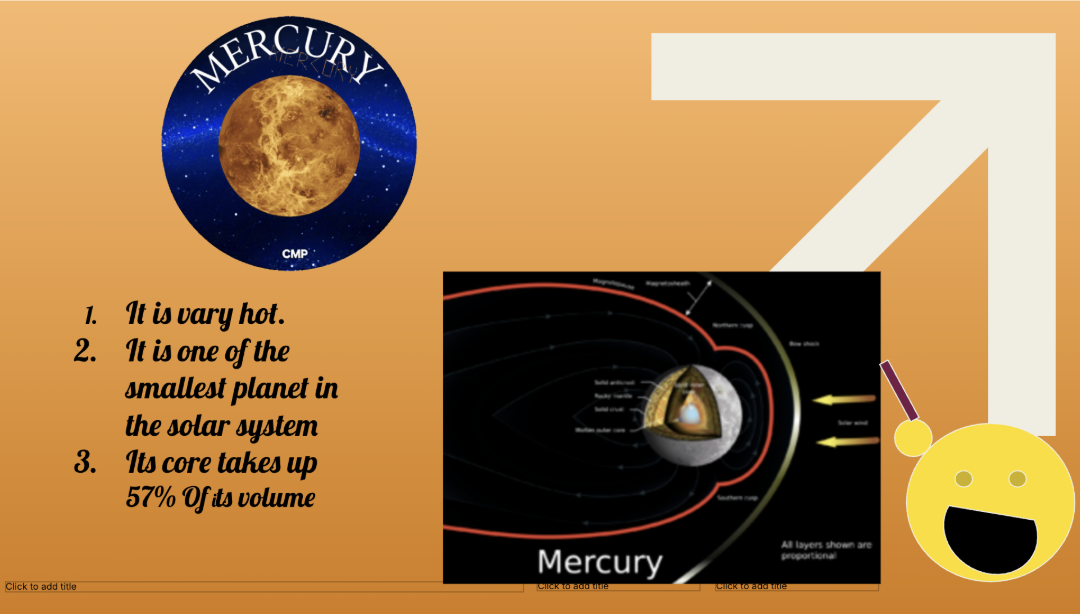
Using Google Slides or PowerPoint, model for them how to
create slides,
layouts, themes, and backgrounds.
insert images
Use different fonts
Model how to use bullet points and reduce the wording to get across the main ideas on each slide
Model how to use the right images to engage the audience and reinforce their presentation. Let them have fun!
Practice presenting this with them in “view slideshow” mode.
OR
Purchase a poster board and glue.
Model for them how to divide up sections of their board for each topic.
Have them draw to recreate the diagrams and illustrations they felt were most helpful.
.WE DO:
Allow them to get creative as they build either their slide show or poster board. Sometimes it can be fun to have them try a little of both. For example, they can draw pictures and upload them, or they can find pictures and print for their board.
Challenge them to see if they can present without flashcards, and then try the presentation for other family members or friends
📖 Project 2: Lessons from a Small Moment Narrative
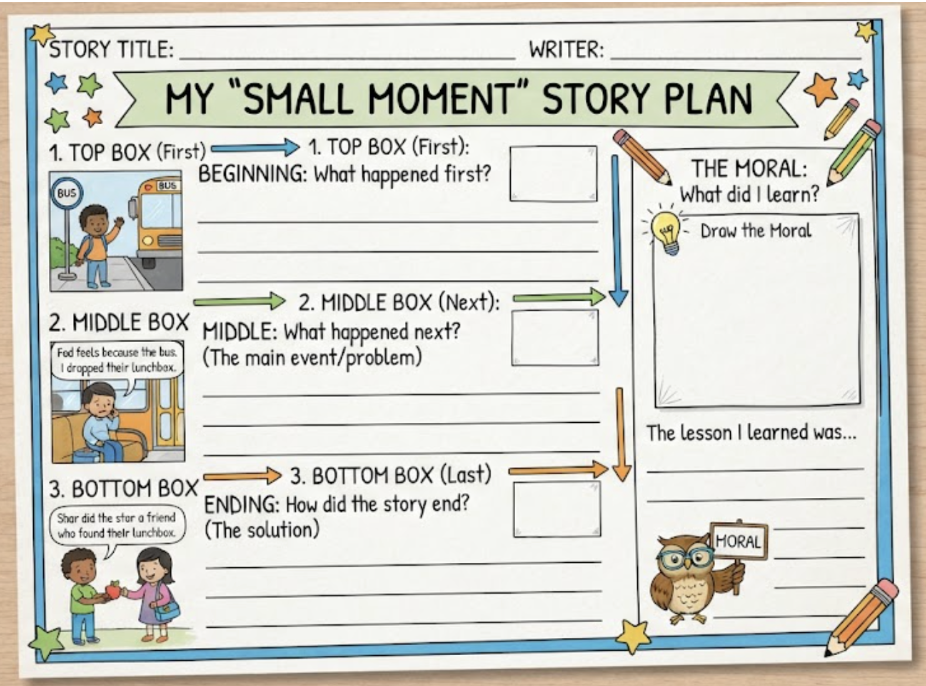
Goal: Turn a memory they have of an event in their life into a "Small Moment" story that includes a life lesson for the reader.
CA Standards: RL2.5, W2.3, L2.2c, L2.1a, RL2.2
Card A: Brainstorming
I DO:
Use the graphic organizer above to point out how:
Their title shows they broke down a big idea like "Going to the beach" into a small moment like "Finding a sea turtle".
They have a clear Beginning, Middle, and End to the memory.
They found a Moral for the reader. “Don’t lose hope and you can find something special.”
WE DO:
Have them use their notebook to recreate these sections by dividing the page in boxes. (or visit our QR for a printable version)
Prompt them to narrow their moment into something clear and focused, before writing the title.
Work through the memory with them to define the clear beginning, middle and end.
Did they learn something from this? Guide them to identify it.
Card B: Drafting with Details
I DO:
Review the exemplar narrative “Finding a Sea Turtle” on the website and point out how they took their notes from each section of the graphic organizer and expanded it with description in complete sentences.
Point out how the account slows down and describes each moment when they find the sea turtle.
Point out how they used the lesson to help create a satisfying ending for the reader.
We DO:
Review their graphic organizer and speak with them about how they want to expand these with description.
Have them say the sentence to you first, and then when it sounds ready, let them write it down.
Encourage your student to practice the “inventive” sound spelling and take risks in choosing new, more “scholarly” words in their writing.
After a few sentences, have them practice saying it out loud to themselves before writing it down, and eventually fade into “You DO.”
Remind them to finish with their lesson for the reader.
Card C: Revising & Publishing
I DO:
Model reading over the two version of the example story and think out loud on how you:
Identify and fix mistakes
Identify basic words and pick better ones (e.g., changing "sad" to "discouraged").
Finding a Sea Turtle
Story 1
Me and my mom was walking on the beach and I was sad because we diddnt find any cool shells. I was gonna give up but then I sawed something move in the sand it was a baby sea turtle! It was so tiny and cool. I was so happy I diddnt lose hope. It was a special day because I found something truly special. I learned that you shouldnt lose hope because you can find something truly special if you keep looking.
Story 2
Last Saturday, my mom and I walked for hours along the shoreline, but I hadn't discovered a single interesting shell or treasure. I started to feel discouraged and wanted to go home, but my mom told me not to lose hope. Just as I was about to turn back, I spotted a tiny movement near a pile of seaweed. To my absolute amazement, a baby sea turtle was dragging itself across the sand! My eyes went wide with wonder at such a rare sight. That day, I learned that even when you feel like giving up, you shouldn't lose hope, because if you keep trying, you might just find something truly special.
WE DO:
With this same lens, review their draft.
Let them spot mistakes and find areas where they can enhance the word choice and add dialogue.
Publish: Create a final version with their best handwriting and a detailed illustration of the "Small Moment."

📣 Project 3: The Persuasive Letter
Goal:Use research and facts to write a letter persuading someone to make a change in society.
CA Standards: L2.2, W2.1, L2.1a
Card A: Brainstorming Argument
Prompt "What is one thing in our town you wish was different?"
Use Socratic Dialogue to have them identify an opinion (Featured in our CarTalk course)
"We need more trees for shade in the park.”
Probe for facts they already know to support it.
Trees provide shade. Too much sun can hurt kids. Trees provide animals shelter.
Consider any other perspectives or reasons not to agree with the proposal
Trees are expensive to maintain, trimming, watering, roots break the sidewalk
Card B: Researching to Solidify
I DO:
Using the notebook, model a few research questions to ask that will support their opinion.
What animals in the neighborhood use trees for shelter?
What are some dangers of kids playing without shade?
Model a question that will help with responses to those challenging the proposal.
How do parks maintain their trees?
WE DO:
Guide them to ask 3-4 more questions, including 1-2 more to respond to potential challenges.
Model how to find the answer using a search engine like Kiddle., by typing the question and scanning the results.
Model how to use links within descriptions to explore the answer and related items of interest to include.
OR
Visit your local library to find books on the topic or call the parties involved to interview them.
Have them use their notebook to organize their notes by dividing the page in boxes as pictured below. (or visit our QR for a printable version)
IMAGE of graphic organizer
The Call to Action.
The Supporting Facts.
Response to the challenges
Card C: Formatting the Letter
I DO:
Point out the parts of the letter below, including the format of the address, greeting, and closing.
123 Oak Street [ADDRESS]
Culver City, CA 90230
July 10, 2026
Dear Park Manager, [GREETING]
[BODY]
I love playing at our local park, but it gets very hot on the playground during the summer. I am writing to ask you to plant more trees for shade.
Having more trees would help us stay safe. Children have sensitive skin that is easily damaged by the sun’s ultraviolet (UV) rays. Too much sun can lead to painful sunburns, heat exhaustion, and a higher risk of skin cancer later in life. Since UV rays are strongest between 10 a.m. and 4 p.m., trees provide a natural way to help us stay in the shade while we play.
Trees would also be a wonderful home for our local wildlife.
Birds, squirrels, and owls often use hollow trunks or branches to nest and keep their babies safe. Dense foliage provides creatures with cover to hide from predators and protection from the elements. Even small animals like insects and spiders find homes in the bark or beneath the roots. Trees help keep the environment healthy for all kinds of animals, including those that live near the ground.
I understand that the city has a tight budget and that maintaining new trees can be a concern. However, I believe this is a great investment for our community. Once established, native, climate-appropriate trees require minimal water and care compared to expensive man-made shade structures, which can be costly to install and repair. Planting trees is a long-term solution that saves money while making our park a cooler, safer, and better home for both kids and animals!
Please consider planting more trees so our park can be a cooler, safer, and better home for both kids and animals!
Sincerely, [CLOSING]
[SIGNATURE]
We DO:
Identify the recipient of this letter (a Principal, Mayor or Business Leader).
Use the notes from the graphic organizer to draft the letter following this model. Have them say the sentence to you before they write it down and challenge them to make good word choices.
Model how to open a Word Doc and type the letter.
Practice using “shift” for capital letters
Watch they keep their fingers on the “home row.”
More support available in our TechTools Course!
Compare their letter with the exemplar on the card and see if there are any places to make it stronger. Send the letter and see what happens!
🦊 Project 4: Comparing Fables
Goal: Compare the characters, points of view, and morals of two different stories.
CA Standards: RF2.3, RL2.1, RL2.5, RL2.6, RL2.2
Card A: Fable Week!
Discuss how Fables are stories used to pass down wisdom. They are in every culture, and are often short stories with clear lessons
Read as many fables during storytime throughout the week. A minimum of 2 is required. Click on these examples that you can use
The Tortoise and the Hare The Grasshopper and the Ant
Click here for more titles!
Using the notebook, have your student draw a picture and summarize the lesson for each one you read.
Which messages felt the most important?
Card B: Character & Point of View
Review the Fable picture summaries and discuss for each:
Identify the Hero and the Villain.
Pick the turning point in the story.
How did the Hero feel?
How did the Villain feel?
In the notebook, have them look back at their pictures from card A and choose their two favorite fables:
Redraw their picture from a different character's point of view
Write a few sentences describing how it's different than the original.
Card C: The Comparison
I DO:
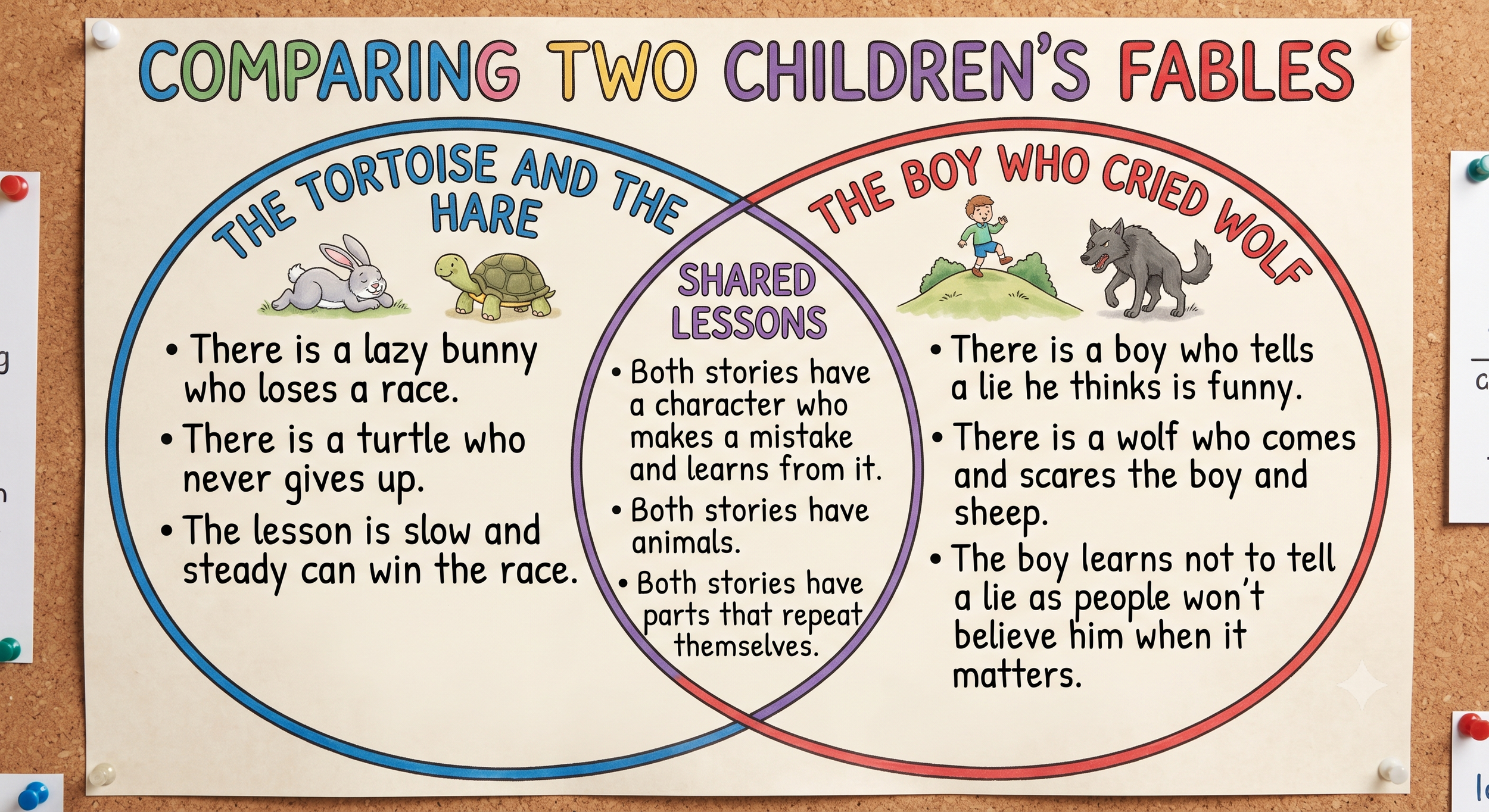
Point out how the Venn Diagram
Their lessons taught
Connection to the characters, both good and bad
The best twists or surprises in the story
We DO:
Create a Venn Diagram in your notebook to compare the two stories you have chosen in card B. on these same criteria.
Add other comparisons to generate as many similarities as you can between the two.
📏 Project 5: Measurement Data Analysis
Goal: Make estimates and gather real-world measurement data and create bar graphs to help me analyze trends.
CA Standards: MD2.9, MD2.10, MD2.1, MD2.3, MD2.4
Card A: Gathering Measurement Data
I DO:
Model how to estimate the length of your couch in inches. You might use your foot or arm to approximate and make your best guess and write it in their notebook.
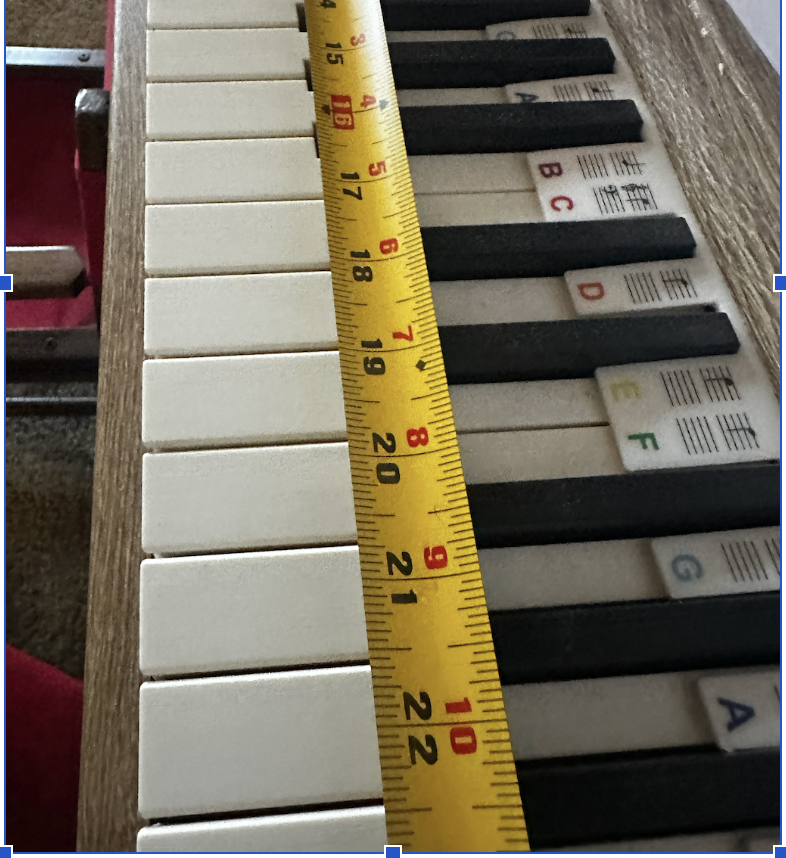
Model how to use a tape measure to find the actual length in inches and write this next to it.
Model how to use the measurement app on a phone. Click on one point and glide to the other side of the item and click.
WE DO:
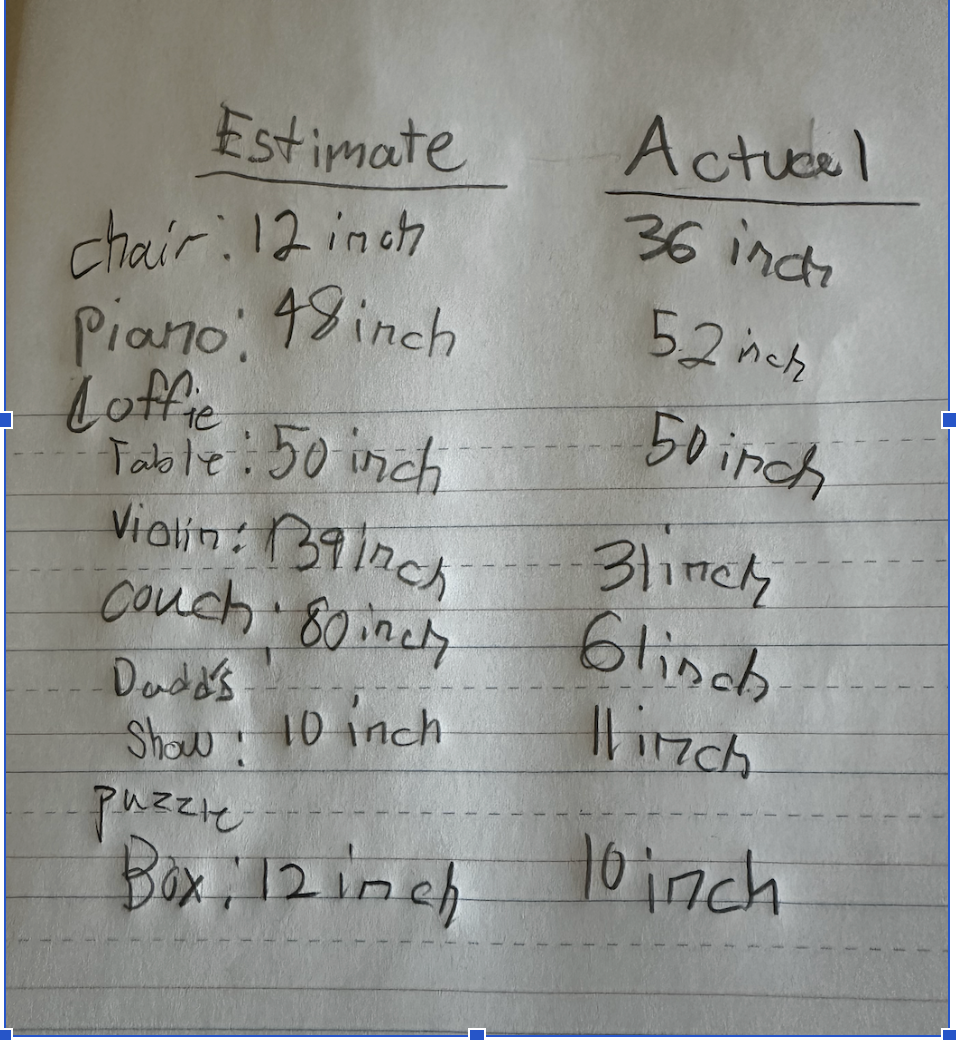
Guide them to estimate and then measure 8 other "Big" items (bookshelf, table) in inches.
Use the previous estimate/actual length to help improve their next estimate.
Create a data table in the notebook to record Estimates vs. Actual lengths.
Card B: Creating Bar Graphs
I DO:
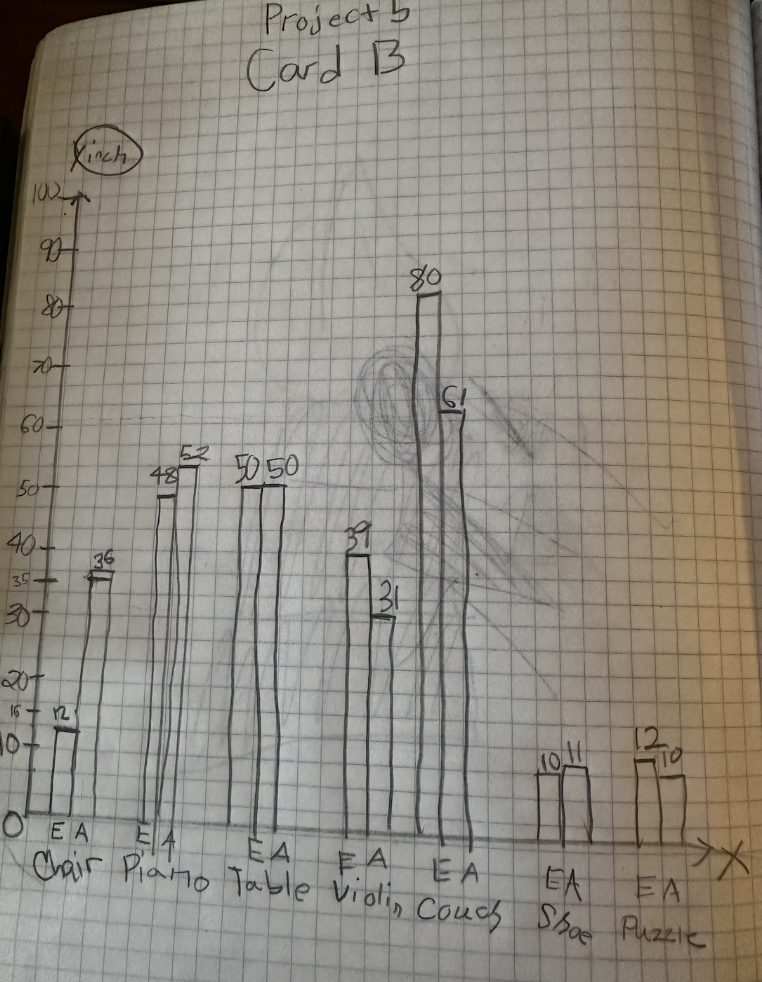
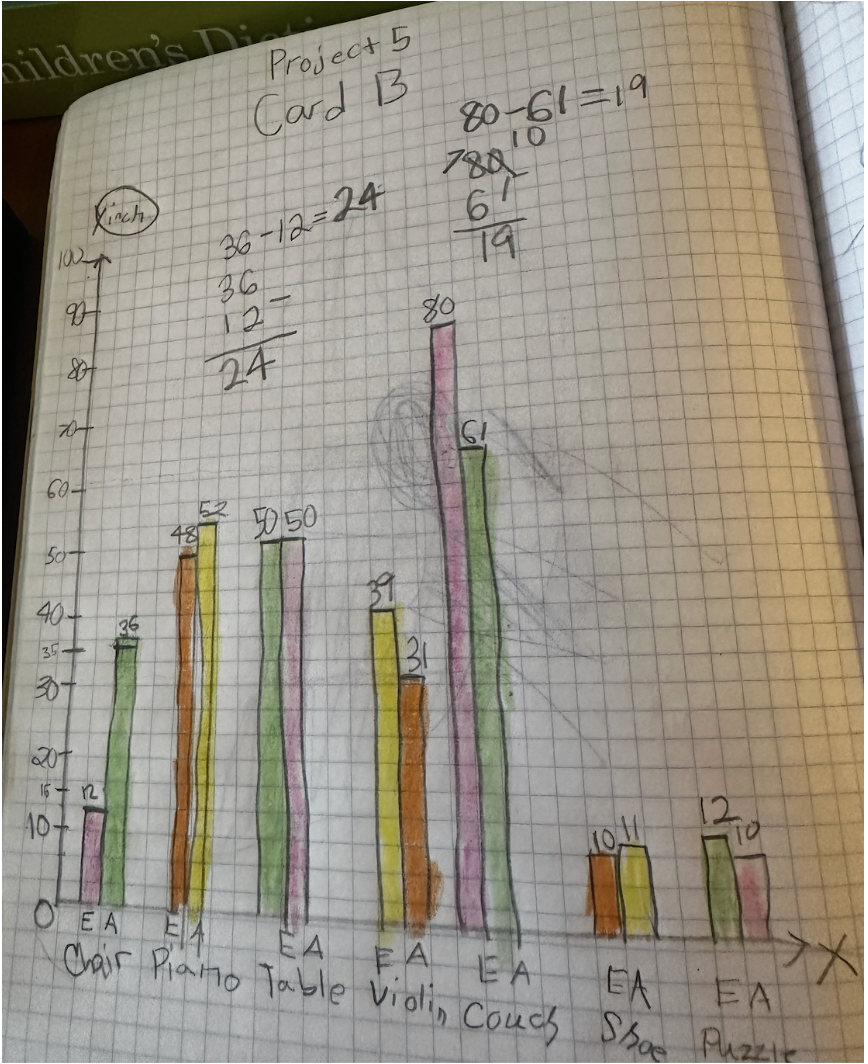
Model how to set up the X and Y axis on graph paper for the data. The X axis will list the different items measured, and the Y axis will be the amount of inches.
The Y axis must be scaled on the graph paper to allow for the longest item.
Leave room to draw two bars for each item (one for the Estimate and one for the Actual measurements)
Model how to use the scale of the Y axis to draw the first two bars for the couch you measured.
WE DO:
Let them try to set up the bar graph for the remaining items on their own.
Guide them to find the correct place on the Y axis and draw the bars.
Card C: Analyzing Data
Ask comparison questions like:
"How many inches longer is the couch than the table?"
Use subtraction to find the difference.
“Can you rank them in order from shortest to longest?”
Look at actual lengths and start with the shortest and list them up to longest.
Move to comparisons of estimates and actuals.
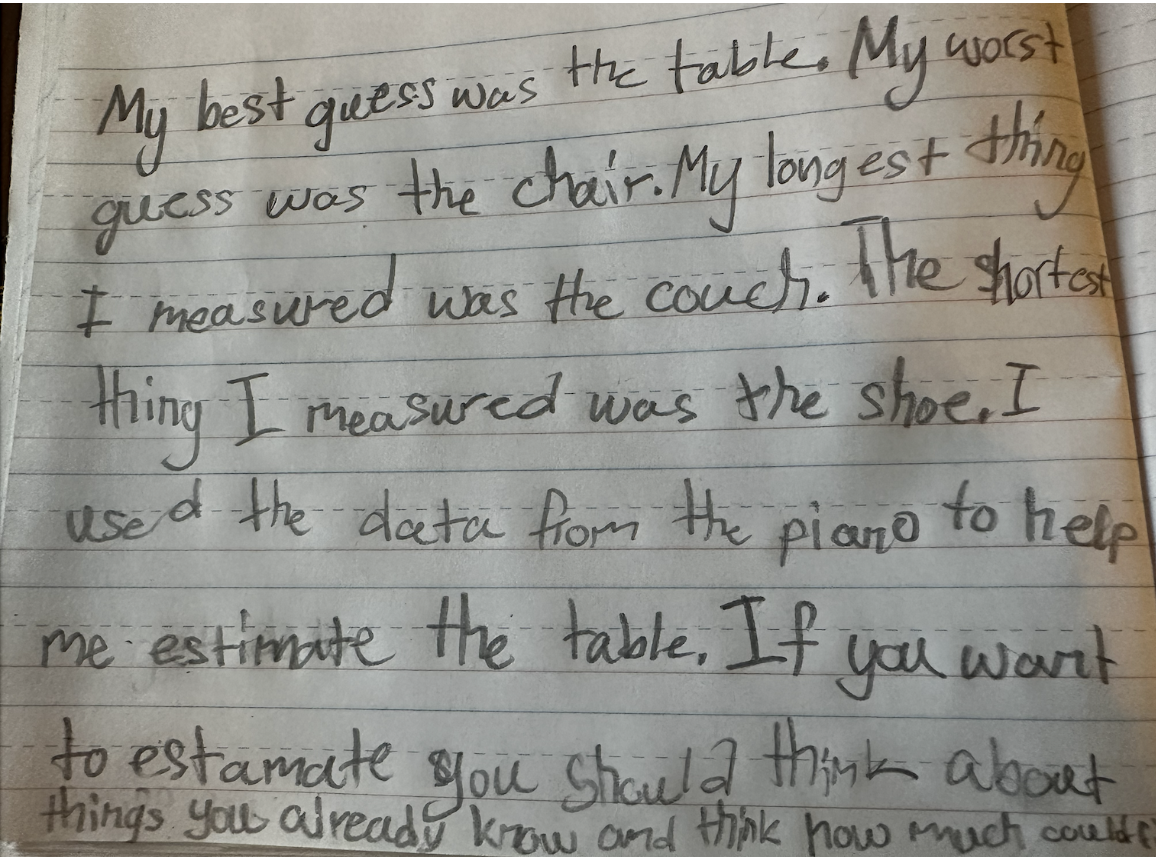
What was your best estimate?
Use subtraction to find the differences for each and find the smallest amount.
What were your 2nd and 3rd best estimates?
Were you best at longer or shorter items?
CHALLENGE:
Use the answers to these questions to have them summarize their analysis in a paragraph noting as many trends in the data they see.
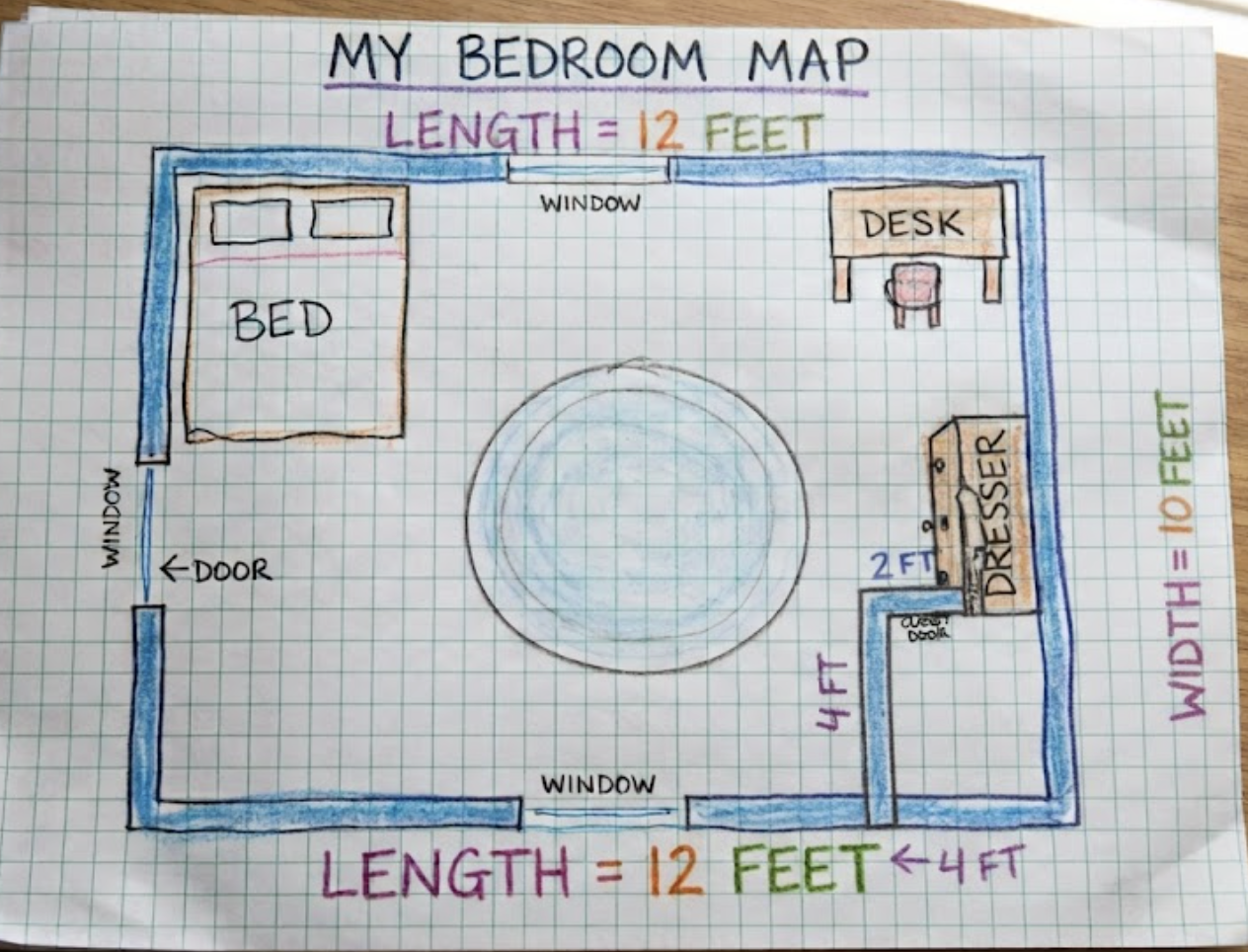
🏠 Project 6: Bedroom Architect (Area)
Goal: Map a room in my house and use graph paper and scale to calculate its area.
CA Standards: MD2.1, G2.1, G2.3
Card A: Mapping the Room
I DO:
Sketch the walls of the bedroom and include any furniture.
Model how find the length in feet of each wall and write it on this sketch.
Model how to use a tape measure.
OR
Model how to use the measurement app on a phone.
Click on one point.
Glide to the other side of the item and click.
Card B: Redrawing map to to Scale
I Do:
Model how you can use graph paper to create a “scale.” 1 foot = 2 squares.
Using a ruler, carefully redraw one of the walls of the bedroom, counting the number of graph paper squares to match the number of feet.
We Do:
Guide them to complete the scaled drawing of the outer walls of the room.
Watch that they are counting the squares and if needed allow them to estimate partial squares.
Add furniture like the bed or a desk.
Card C: Calculating Area
I DO:
Model "partitioning" (breaking) the room into rectangles. IMAGE
These can be added together later to find total area.
We Do:
Count the total squares inside the lines to find the Area.
Using Math 7 Habit card, try using the formula Area=LengthxWidth
Challenge: Try this again with a different room or even the back yard
💰 Project 7: Accounting
Goal: Use skip counting and addition/subtraction to reach a savings goal.
CA Standards: MD2.8, NBT2.2, NBT2.6, NBT2.5, NBT2.7
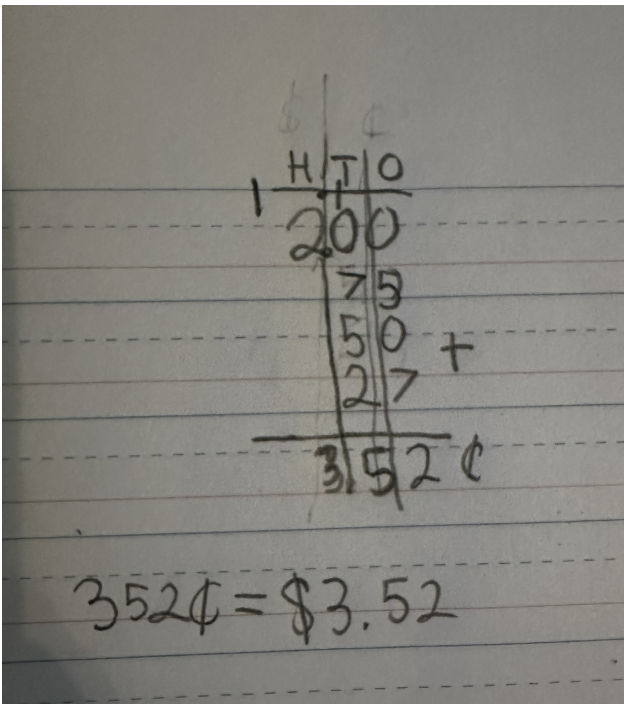
Card A: Aggregating Coins
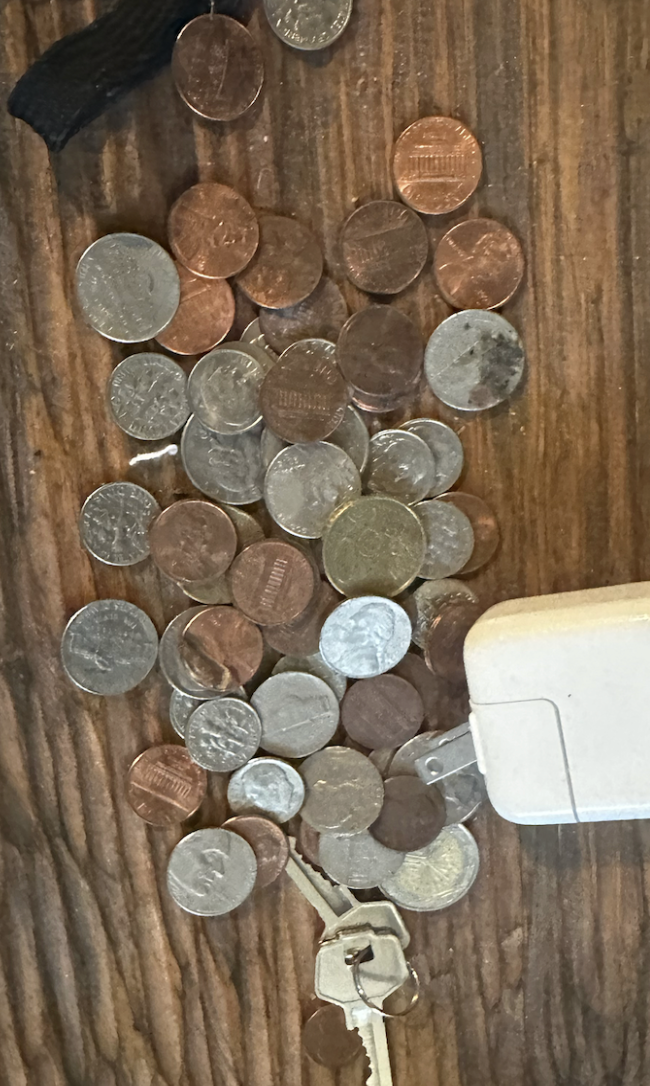
Guide them to gather a "treasure hoard" of coins from around the house and car.
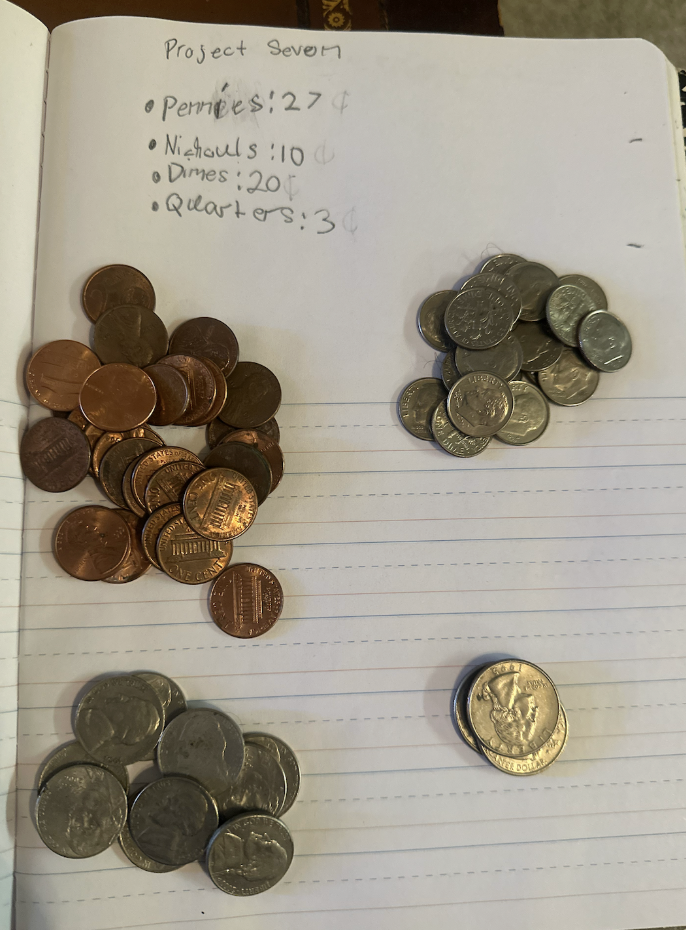
Organize by coin and count each pile. (HINT- use tally marks grouped by 5)
I DO:
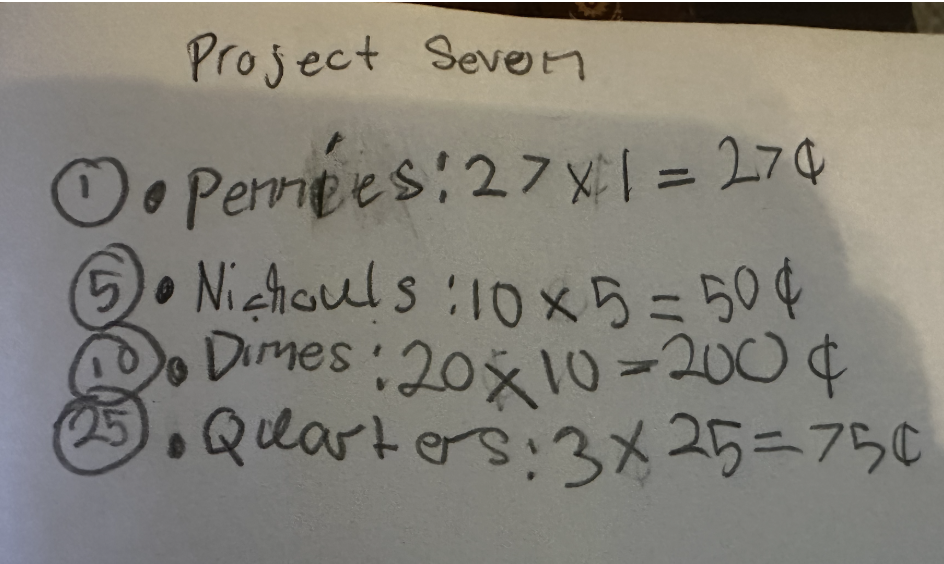
Model how to count pennies by 1s, nickels by 5s, and dimes by 10s (Math 5 Skip Counting).
Quarters count by 25. Practice with them in making piles of 4 (25, 50, 75, $1 dollar)
Model how to write a multiplication equations for one of the coins
We DO:
Guide them to write out the rest of the equations and ensure their skip counting is accurate.
Practice adding four 2 and 3 digit numbers to find the total value. (Math 4 Addition and Subtraction)
I DO:
Model converting to the total amount of “cents” into a $0.00 format.
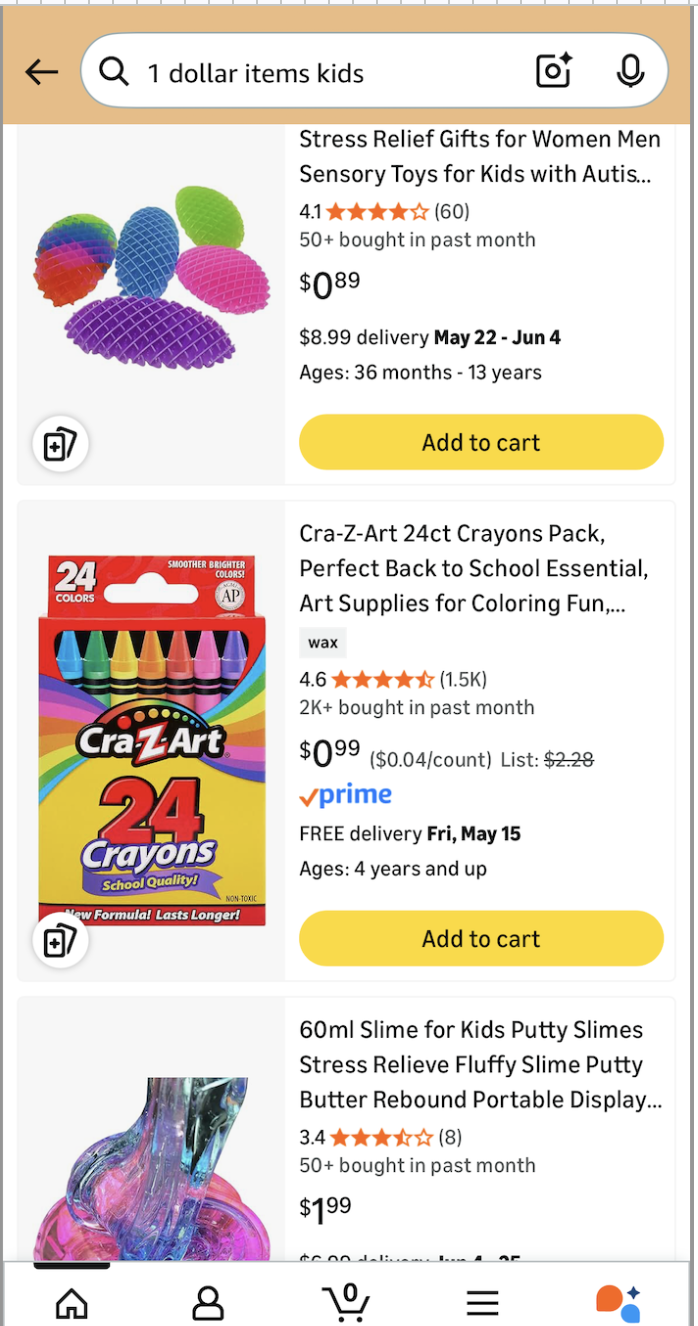
Card B: The Wish List
Model how to scan through an online store.
OR
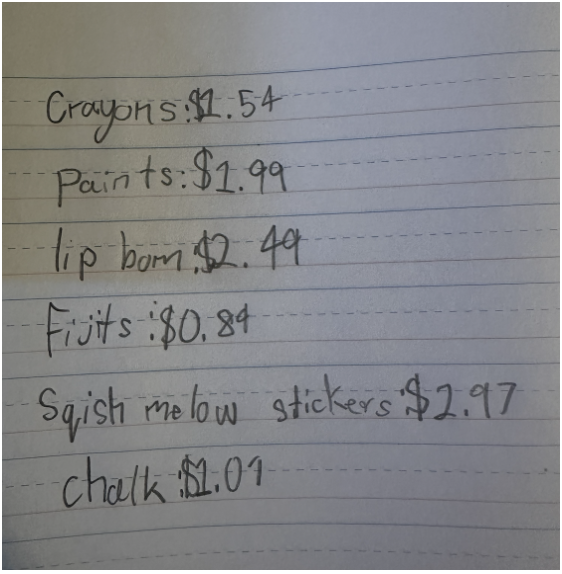
Use a catalogue like Scholastic or take them to a local dollar store to create a wish list.
Find items they want to buy under $10.
Create a table of items and prices you “can afford” based on the total from Card A.
Card C: Calculating Options
I DO:
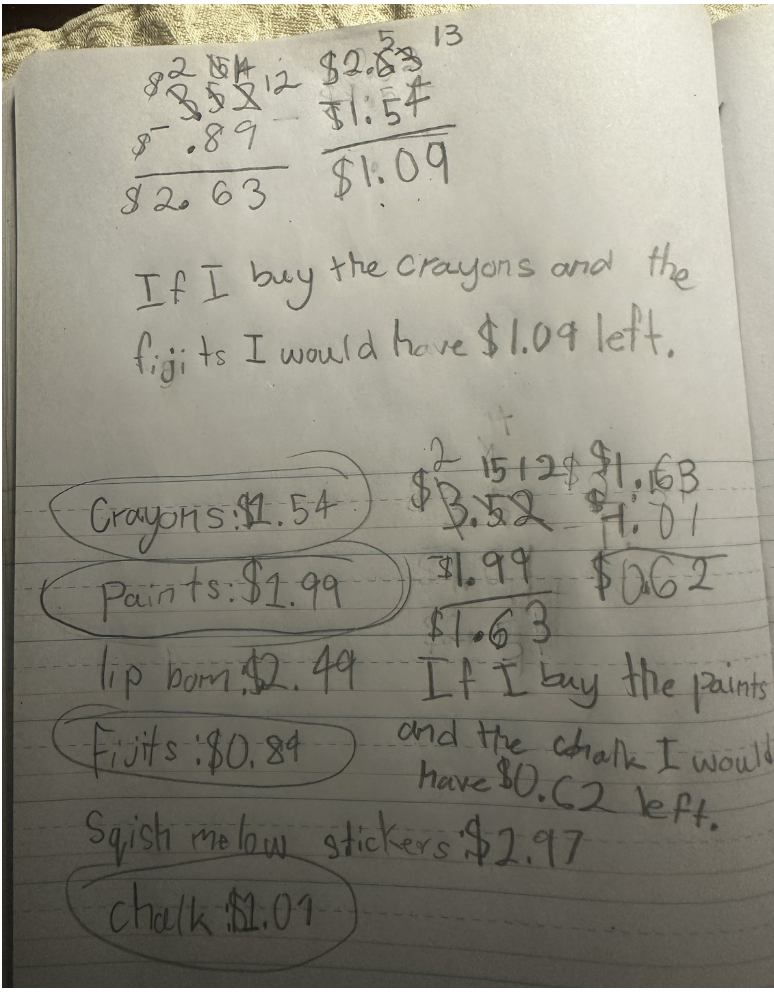
Model subtracting the dollar amount of a goal item, from their total on Card A using regrouping (Math 4 Adding and Subtracting).
We DO:
Guide them to find the amount of change they still have after purchasing each goal item.
Add different combinations of goal items to see if they can afford multiple items.
Challenge: Subtract the "Total Coins" (Card A) from the total "Goal Items" (Card B) to see how much more they need to save to get them all!
Social Emotional Learning Habits
SEL 1 I know my choices have consequences.
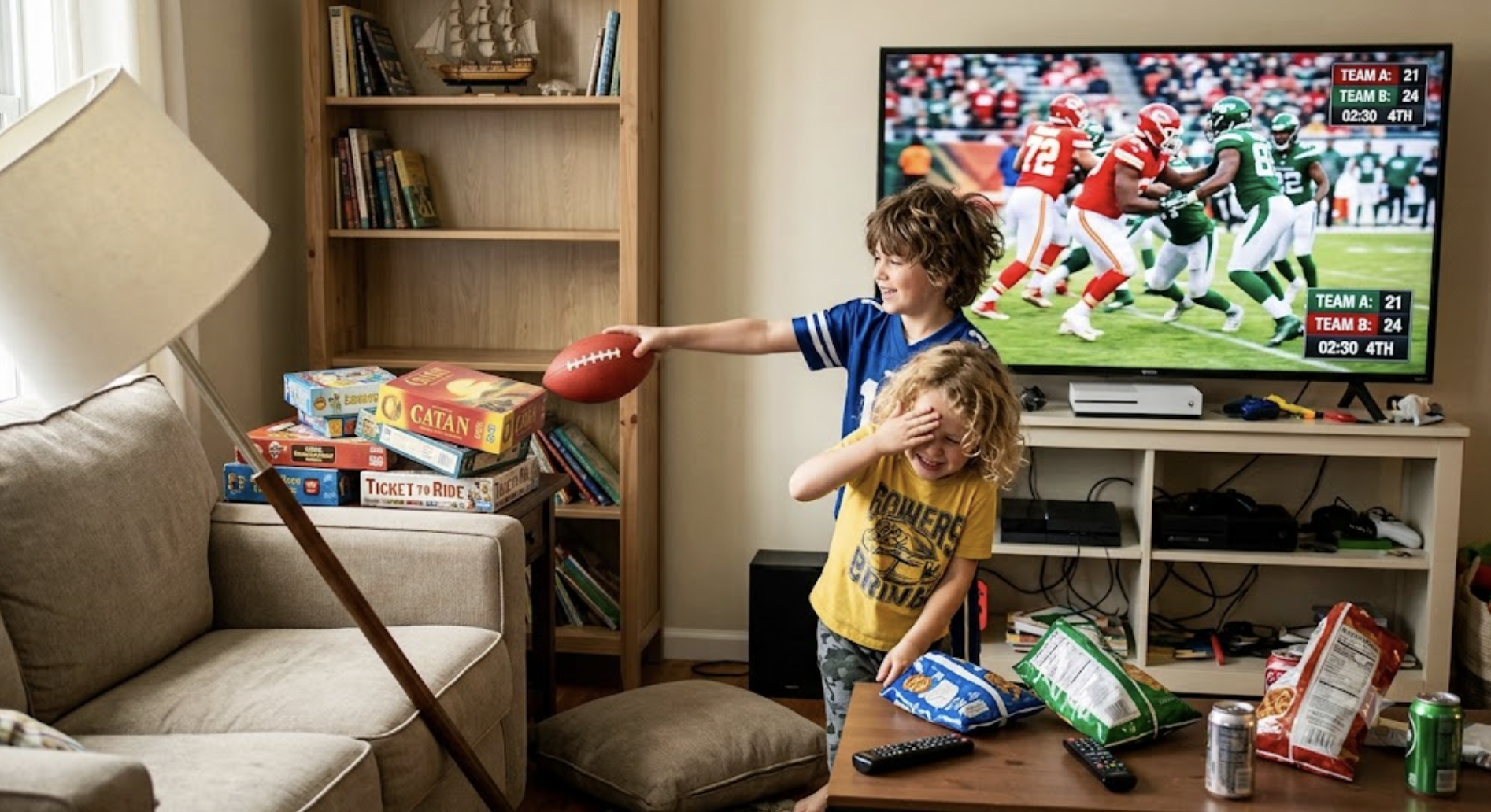
Look at the image. Shane and Oliver are throwing a ball inside Oliver’s house during the football game on TV.
Why would they make this choice?
What might be a consequence of this choice?
What would be a better place to throw the ball?
Can you think of a choice you made that you regret?
How do we make good choices for ourselves?
SEL 2 I know how to be inclusive.
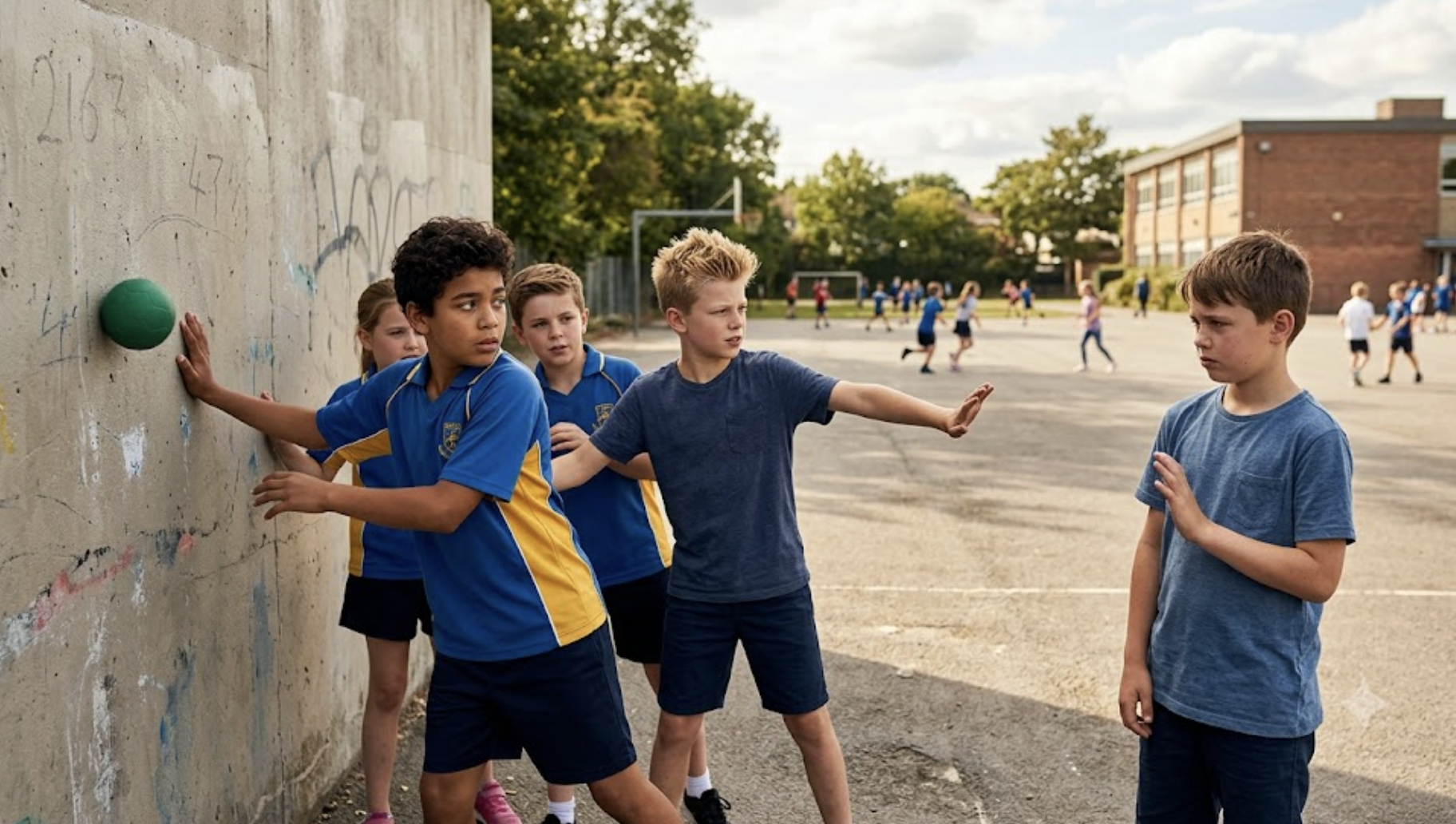
Look at the image. Miguel is playing handball with his friends at recess, when Jake asks to join. The group says there are too many people in the game, but Miguel knows they are being mean..
How do you think Jake feels?
How do you think Miguel feels?
What can Miguel do to solve this problem?
Why it important to be inclusive at school?
SEL 3 I know how to play fair.
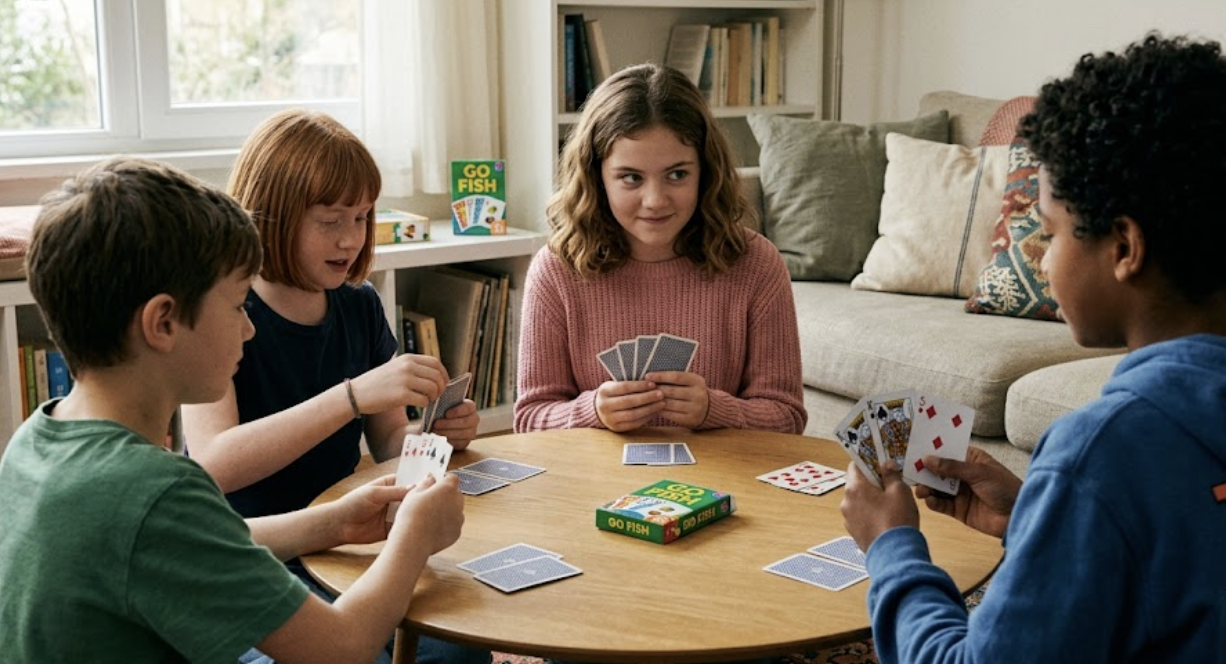
Look at the image of Lisa and her friends playing Go Fish. She is able to see her friend Abe’s cards, but the rules say she is not supposed to.
What can she do to keep the game fair?
How would Lisa feel if she saw a match in Abe’s cards and won the game?
Is it more important for the game to be fair or to win?
What Lisa Can Do to Keep the Game Fair
To play with integrity and respect her friends, Lisa can take several direct actions:
Look Away: The simplest solution is to immediately and deliberately look away from Abe’s cards and focus only on her own.
Tell Her Friend: She can privately or quietly say, "Hey Abe, your cards are tilting, and I can see them. You might want to hold them up." This helps him while maintaining the integrity of the game.
Suggest a Re-deal: If she has already seen significant information that makes playing on unfair, she can suggest a fresh start by re-shuffling and re-dealing the hands.
How Lisa Would Feel if She Won Unfairly
Even if she won, Lisa would likely experience negative feelings because she would know she didn't win through strategy or luck, but by an unfair advantage:
Guilt: Knowing that she peeked would make the victory feel hollow and undeserved.
Awkwardness: If her friends suspected she saw the cards, it could lead to uncomfortable questions and tension in the group.
Loss of Pride: She wouldn't feel the same sense of accomplishment as a fair win.
Fair Play vs. Winning
For long-term enjoyment and maintaining friendships, fair play is much more important than winning.
While winning a single game of Go Fish feels good temporarily, a history of fair play builds trust, respect, and ensures that everyone continues to have fun. If games are consistently unfair, friends may not want to play together in the future.
SEL 4 I am a scholar when I am in the classroom.
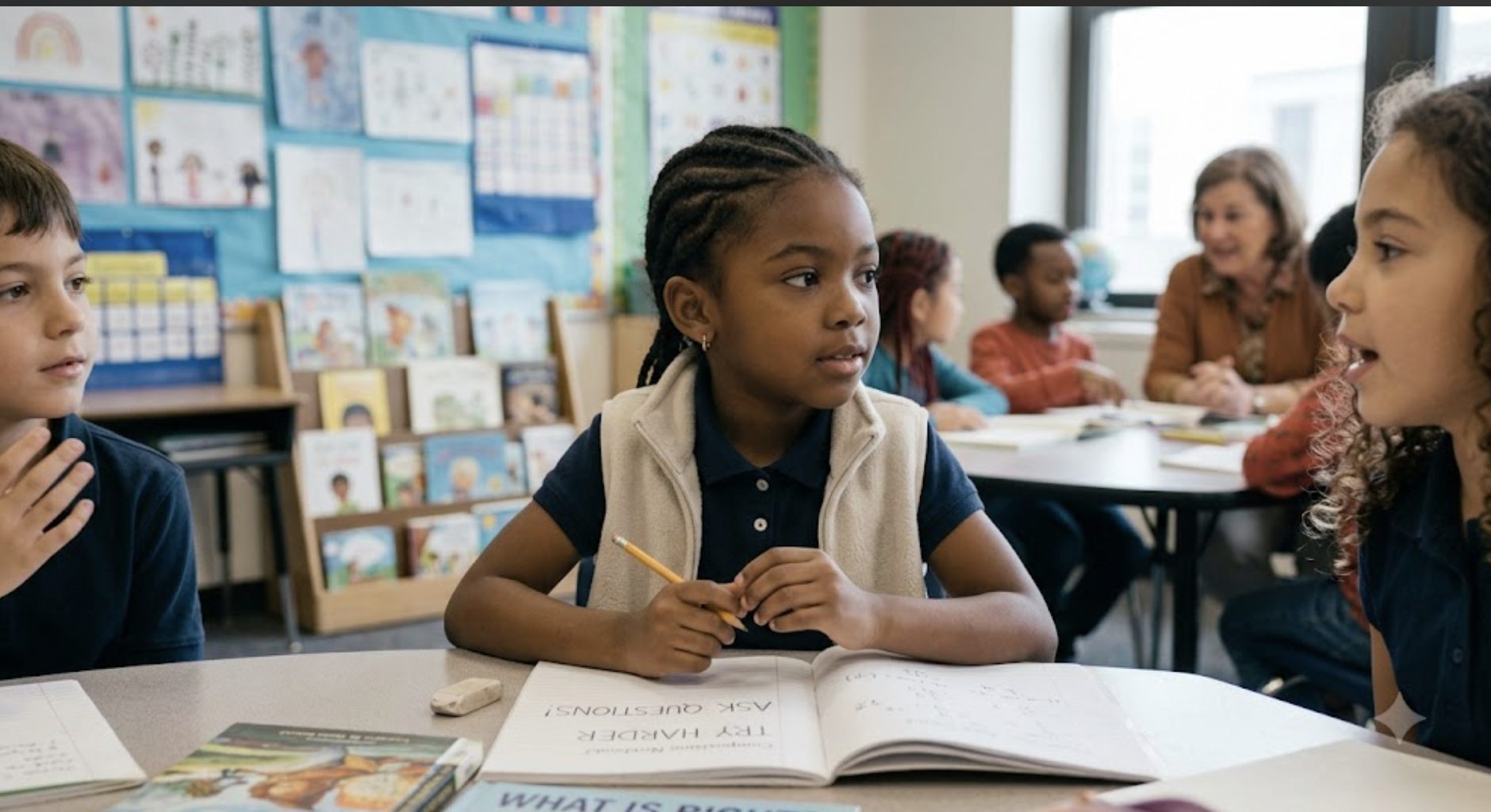
Look at the image of this scholar. A scholar is someone whose job is to learn. They are ready to accomplish any task the teacher asks of them. They treat their classmates with respect and listen to their thoughts in a discussion. A scholar tries their best on their work, even when it gets hard, and asks questions when they are confused. What parts of being a scholar are the easiest? What parts are the hardest?
Here are the key attributes of a true scholar that I’ve illustrated:
Active Engagement: They are not just present but are actively listening and prepared to participate, with a hand raised to share thoughts or ask a question.
Respectful Collaboration: They show deep respect for their peers, looking attentively at a classmate who is speaking, fostering a positive group dynamic.
A Love of Learning: They are surrounded by resources—books, notebooks, and a digital device—which shows they are prepared for any task and commit fully to their work.
Curiosity and Inquiry: By having their hand raised, they demonstrate the courage to ask questions when they are confused, which is essential for deep learning.
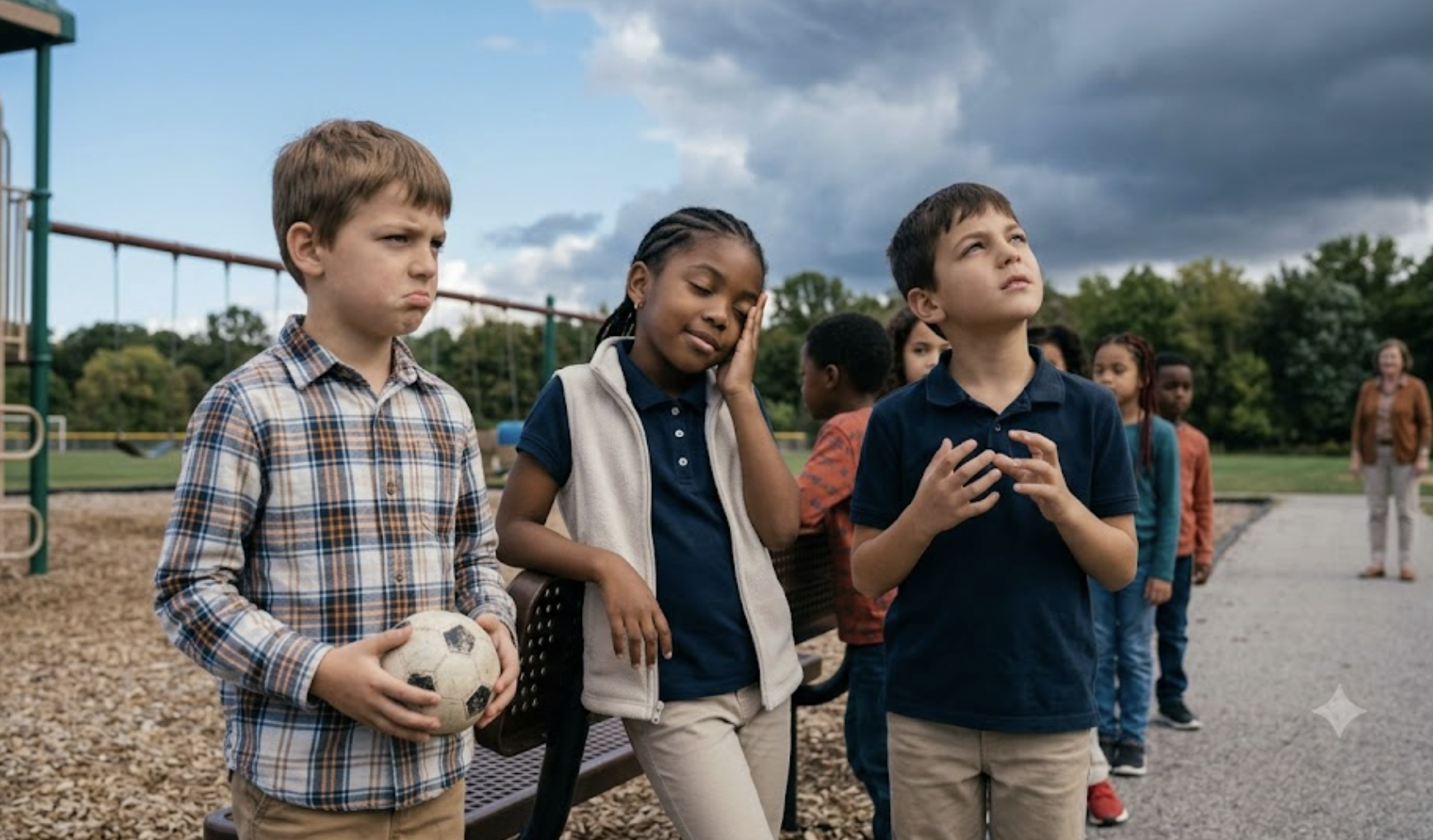
SEL 5 I see how others might see situations differently.
Look at the image of the three students.
During recess, the teacher announced that everyone had to line up early and go inside.
Alex felt upset because he was in the middle of a soccer game and thought it wasn’t fair.
Maya felt relieved because the playground was loud and she had a headache.
Jordan thought the announcement was helpful because
dark clouds were rolling in and he didn’t want
anyone to get ,wet in the rain.
What details in the story help explain why each character felt that way?
Was anyone wrong for how they felt?
Why or why not?
How could understanding each other’s perspectives help the students get along better?
“Have you ever felt differently from someone else about the same situation?
What helped you understand each other?”
SEL 6 I celebrate the differences I see in my friends.
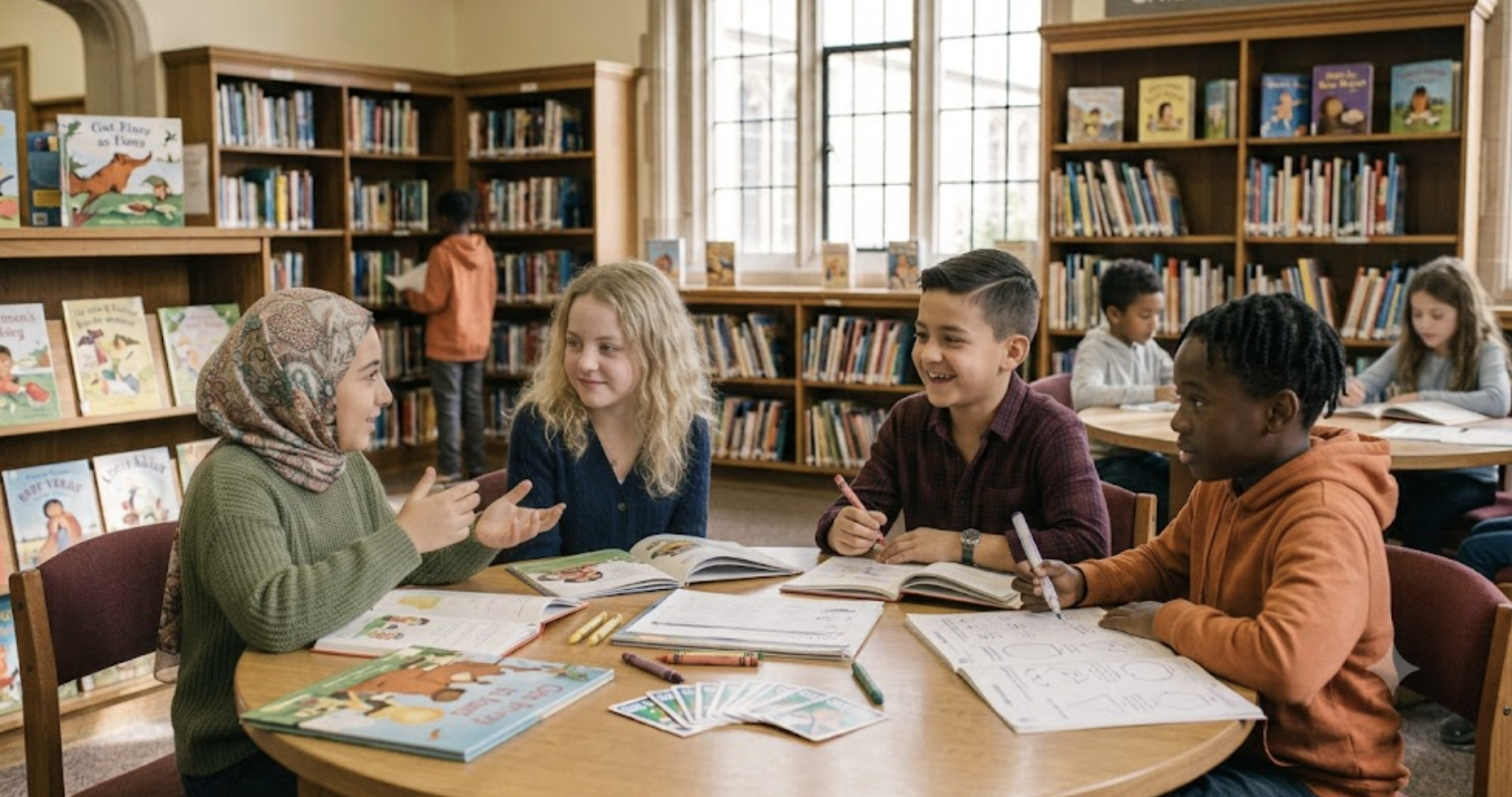
Look at the image. Do you notice any differences between Yazmin, Sarah, Juan, and Ryan?
They are wearing different clothes. Juan and Yazmin speak a 2nd language in addition to English.
Have you ever noticed students teasing someone about their differences? Sometimes when people are nervous or don’t understand someone else, they try to tease them to feel better about this.
Have you ever laughed? Have you ever had someone laugh at your difference? Its important to know that that hurt you feel is the reason you need to stand up. If you can use your agency and ask questions you can learn something new about their culture and family. The more we learn about the world, the wiser we become.
Tell us about a time when you met someone who was different and what you learned about them?


Writing
-
K.W.1
I can use a combination of drawing, dictating, and writing to compose opinion pieces in which they tell a reader the topic or the name of the book they are writing about and state an opinion or preference about the topic or book.K.W.2
I can use a combination of drawing, dictating, and writing to compose informative/explanatory texts in which they name what they are writing about and supply some information about the topic.K.W.3
I can use a combination of drawing, dictating, and writing to narrate a single event or several loosely linked events, tell about the events in the order in which they occurred, and provide a reaction to what happened..K.W.4
With guidance and support from adults, I can respond to questions and suggestions from peers and add details to strengthen writing as needed.K.W.5
With guidance and support from adults, explore a variety of digital tools to produce and publish writing, including in collaboration with peers.K.W.6
I can participate in shared research and writing projects (e.g., explore a number of books by a favorite author and express opinions about them).K.W.7
With guidance and support from adults, I can recall information from experiences or gather information from provided sources to answer a question. -
K.L.1
I can use conventions of standard English grammar when writing and speaking.*I can print all upper and lowercase letters.
*I use frequently occurring nouns and verbs
*I can form regular plural nouns orally by adding /s/ or /es/ (e.g., dog, dogs; wish, wishes).
*I can understand and use question words (interrogatives) (e.g., who, what, where, when, why, how).
*I can use the most frequently occurring prepositions (e.g., to, from, in, out, on, off, for, of, by, with).
*I can produce and expand complete sentences in shared language activities.
K.L2
I have command of the conventions of standard English capitalization, punctuation, and spelling when writing.*I can capitalize the first word in a sentence and the pronoun I.
*I recognize and name end punctuation
*I write a letter or letters for most consonant and short-vowel sounds (phonemes).
*I spell simple words phonetically, drawing on knowledge of sound-letter relationships.
K.L.2
Determine or clarify the meaning of unknown and multiple-meaning words and phrases based on kindergarten reading and content*I can identify new meanings for familiar words and apply them accurately (e.g., knowing duck is a bird and learning the verb to duck).
*I can use the most frequently occurring inflections and affixes (e.g., -ed, -s, re-, un-, pre-, -ful, -less) as a clue to the meaning of an unknown word.
K.L.3
I can with guidance and support from adults, explore word relationships and nuances in word meanings.*I can sort common objects into categories (e.g., shapes, foods) to gain a sense of the concepts the categories represent.
*I can demonstrate understanding of frequently occurring verbs and adjectives by relating them to their opposites (antonyms).
*I can identify real-life connections between words and their use (e.g., note places at school that are colorful.)
*I can distinguish shades of meaning among verbs describing the same general action (e.g., walk, march, strut, prance) by acting out the meanings.
THE COMPLETE SET OF LEARNING TARGETS
Math
-
K.CC.1
*I can count to 100 by ones and by tens.*I can count forward beginning from a given number within the known sequence (instead of having to begin at 1).
K.CC.2
*I can write numbers from 0 to 20*I can represent a number of objects with a written numeral 0–20 (with 0 representing a count of no objects).
K.CC.3
Understand the relationship between numbers and quantities; connect counting to cardinality.*When counting objects, I can say the number names in the standard order, pairing each object with one and only one number name and each number name with one and only one object.
*I understand that the last number name said tells the number of objects counted.
*I know he number of objects is the same regardless of their arrangement or the order in which they were counted.
*I understand that each successive number name refers to a quantity that is one larger.
K.CC.4
I can count to answer how many questions about up to 20 things arranged in a line, a rectangular array, a circle, or up to 10 things in a scattered configuration.
Count objects from 1–20.
K.CC.5
I can identify whether the number of objects in one group is greater than, less than, or equal to the number of objects in another group, e.g., by using matching and counting strategiesK.CC.6
I can compare two numbers between 1 and 10 presented as written numerals. -
K.OA.1
I can represent addition and subtraction with objects, fingers, mental images, drawings,2 sounds (e.g., claps), acting out situations, verbal explanations, expressions, or equations.K.OA.2
I can solve addition and subtraction word problems, and add and subtract within 10, e.g., by using objects or drawings to represent the problem.K.OA.3
I can decompose numbers less than or equal to 10 into pairs in more than one way, e.g., by using objects or drawings, and record each decomposition by a drawing or equation (e.g., 5 = 2 + 3 and 5 = 4 + 1)K.OA.4
I can, for any number from 1 to 9, find the number that makes 10 when added to the given number, e.g., by using objects or drawings, and record the answer with a drawing or equation.K.OA.5
I can fluently add and subtract within 5. -
K.NBT.1
I can compose and decompose numbers from 11 to 19 into ten ones and some further ones, e.g., by using objects or drawings, and record each composition or decomposition by a drawing or equation (e.g., 18 = 10 + 8); understand that these numbers are composed of ten ones and one, two, three, four, five, six, seven, eight, or nine ones. -
K.MD.1
*I can describe measurable attributes of objects, such as length or weight.*I can describe several measurable attributes of a single object.
K.MD.2
I can directly compare two objects with a measurable attribute in common, to see which object has more of/less of the attribute, and describe the difference.For example, directly compare the heights of two children and describe one child as taller/shorter..
K.MD.3
I can classify objects into given categories; count the numbers of objects in each category and sort the categories by count. -
K.G.1
*I can identify and describe shapes (squares, circles, triangles, rectangles, hexagons, cubes, cones, cylinders, and spheres).*I can describe objects in the environment using names of shapes, and describe the relative positions of these objects using terms such as above, below, beside, in front of, behind, and next to.
K.G.2
I can correctly name shapes regardless of their orientations or overall sizeK.G.4
I can identify shapes as two-dimensional (lying in a plane, flat) or three-dimensional (solid).K.G.5
I can analyze and compare two- and three-dimensional shapes, in different sizes and orientations, using informal language to describe their similarities, differences, parts (e.g., number of sides and vertices/corners) and other attributes (e.g., having sides of equal length).K.G.6
I can model shapes in the world by building shapes from components
(e.g., sticks and clay balls) and drawing shapes.K.G.7
I can compose simple shapes to form larger shapes.For example, Can you join these two triangles with full sides touching to make a rectangle?
Reading
-
K.RF3.3
I know and apply grade-level phonics and word analysis skills in decoding words both in isolation and in text.*I can identify and know the meaning of the most common prefixes and derivational suffixes
*I can decode words with common Latin suffixes (-tion, -ive, -er)
*I can decode multi-syllable words
*I can read grade-appropriate irregularly spelled words.
K.RF3.4
I can read with sufficient accuracy and fluency to support comprehension.*I can read with sufficient accuracy and fluency to support comprehension.
*I can read on-level text with purpose and understanding.
*I can read on-level prose and poetry orally with accuracy, appropriate rate, and expression on successive readings.
*I can use context to confirm or self-correct word recognition and understanding, rereading as necessary.
-
K.RL.1
With prompting and support, I can ask and answer questions about key details in a text.K.RL.2
With prompting and support, I can retell familiar stories, including key details.K.RL.3
With prompting and support, I can identify characters, settings, and major events in a story.K.RL.4
I can ask and answer questions about unknown words in a text.K.RL.5
I can recognize common types of texts (e.g., storybooks, poems, fantasy, realistic text).K.RL.6
With prompting and support, I can name the author and illustrator of a story and define the role of each in telling the story.K.RL.7
With prompting and support, I can describe the relationship between illustrations and the story in which they appear (e.g., what moment in a story an illustration depicts.)K.RL.9
With prompting and support, I can compare and contrast the adventures and experiences of characters in familiar stories.K.RL.10
*I can actively engage in group reading activities with purpose and understanding.*I can activate prior knowledge related to the information and events in texts.
*I can use illustrations and context to make predictions about text.
-
K.RI.1
With prompting and support, I can ask and answer questions about key details in an informational text.K.RI.2
With prompting and support, I can identify the main topic and retell key details in a textK.RI.3
With prompting and support, I can describe the connection between two individuals, events, or ideas in a text.K.RI.4
With prompting and support, I can ask and answer questions about unknown words in a textK.RI.5
I can identify the front cover, back cover, and title page of a bookK.RI.6
I can name the author and illustrator of a text and define the role of each in presenting the ideas or information in a textK.RI.7
With prompting and support, I can describe the relationship between illustrations and the text in which they appear.K.RI.8
With prompting and support, I can identify the reasons an author gives to support points in a text.K.RI.9
With prompting and support, I can identify basic similarities in and differences between two texts on the same topicK.RI.10
*I can actively engage in group reading activities with purpose and understanding.*I can activate prior knowledge related to the information and events in texts.
*I can use illustrations and context to make predictions about text