
Back to School in 2026
The Most Important School Supply Isn't in Your Child's Backpack. It's your time.
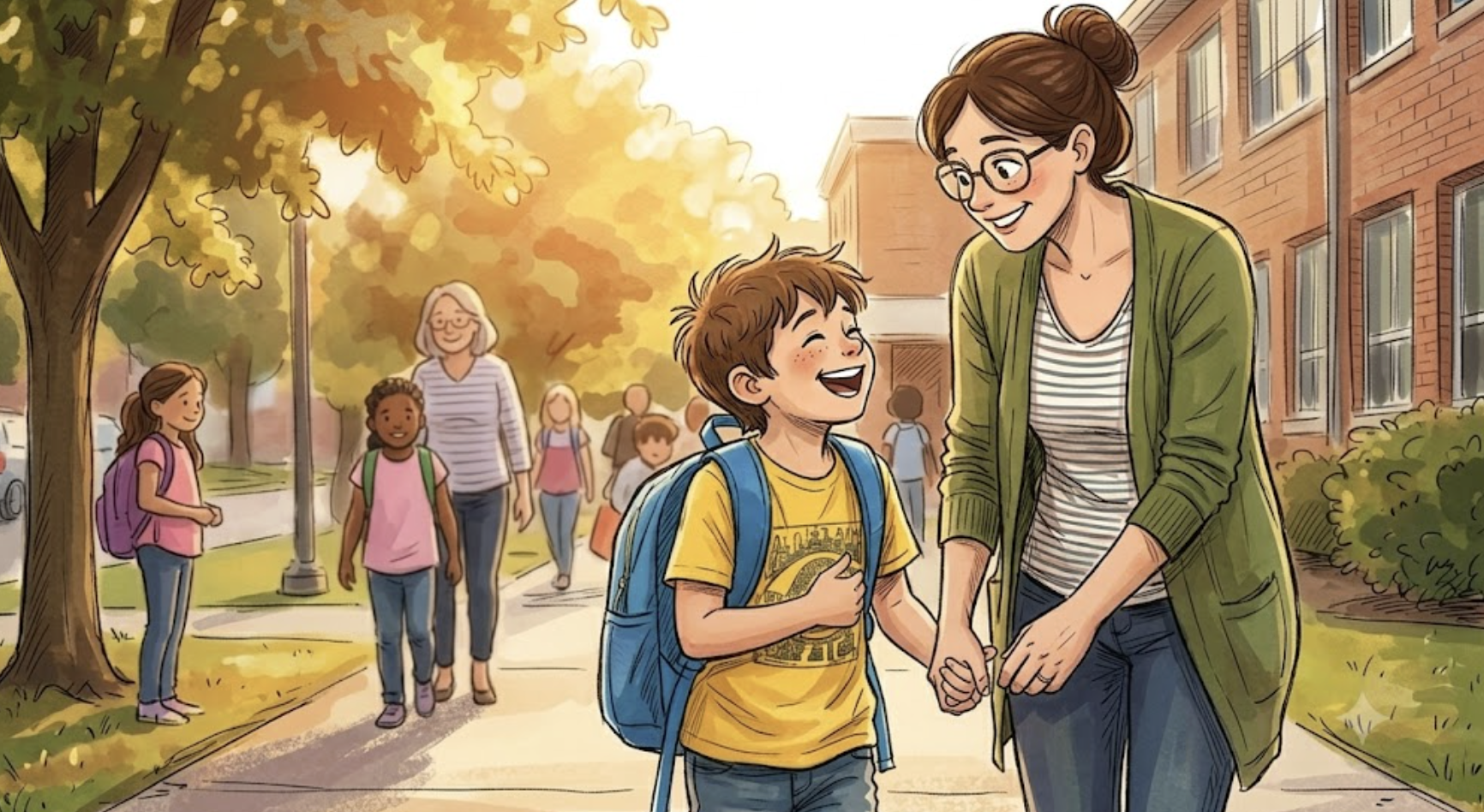
Every August brings a familiar feeling to parents.
It’s a special mix of excitement and uncertainty many of us remember from our own childhoods. Summer adventures come to an end, and a new school year begins, offering a chance to rebuild and improve the family operations “machine.”
For many families, the return to school also brings relief. The structure of the school day returns, schedules become predictable again, and children get back into the groove of learning and growth.
Over these next few weeks, you might be tempted to fall back into the habit of dropping them off and expecting the school to take over again. You can just focus on the supply list.
As a school principal for nearly 15 years, I want to disrupt this narrative a bit.
Classrooms can no longer do this alone.
I am asking you to rethink this relationship with school in 2026. We need your help. Not because schools aren’t committed or the teachers aren’t amazing.
The Job Has Changed.
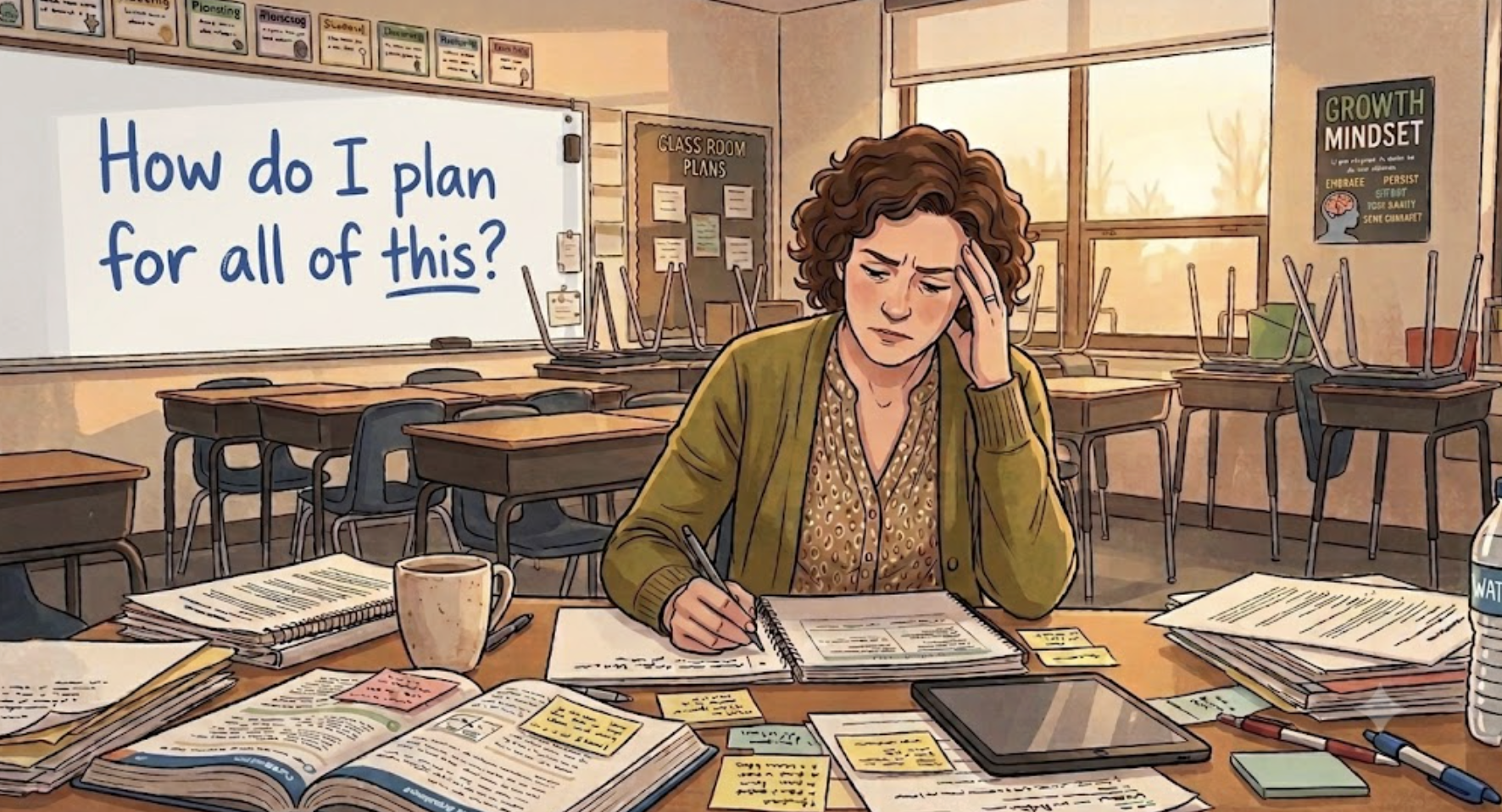
These next few weeks, teachers will return and unpack their classrooms. Principals throughout the country are preparing their trainings and need to brainstorm the “theme” for this next year. I have to tell you, it feels like there is an elephant in the room this year.
The world is simply changing faster than schools can keep up.
Take technology:
Not long ago, schools proudly invested in one-to-one devices and educational software designed to make learning more engaging.
Now, families do not want to see a screen in the classroom, and most schools have them buried in a closet.
Logically, there is a middle ground. While more face-to-face instruction is critical to learning, artificial intelligence is reshaping our lives completely. As the pendulum swings back and forth, the school will have to be very mindful of treading lightly on the range of family perspectives.
The result in most schools has become a muddled strategy that reacts instead of being proactive. It’s much more effective for the parent to lead this discussion directly. The skills our children will need ten years from now are difficult to predict. The school’s guess might be just as good as yours.
Take the classroom community:
After COVID, schools devoted more time to a new pedagogy called Social Emotional Learning, which was designed to explicitly teach students how to navigate friendships, regulate emotions, and resolve conflict.
At the heart of this philosophy is the belief that there are no inherently bad people. Kids are taught that people make poor choices due to their circumstances. While actions must carry consequences, they should also be met with room for forgiveness. These ideas have sparked deep and passionate conversations from parents seeking stronger punishments for students and families who make mistakes.
It has become clear that schools cannot define your family’s values.
There is no “correct” way to teach discipline, kindness, and respect. Reasonable people disagree. However, if you take a more confrontational stance to “advocate” for your child against any other families or school staff who get in the way, you risk sending the wrong message completely.
I have watched many parents model behavior that is unkind or disrespectful towards other adults, and this sends a powerful message to the kids involved. It’s more powerful than any social-emotional learning curriculum or even the greatest of teachers can handle.
With thirty students in a classroom, teachers simply don’t have the time to develop every child’s character in the deeply personal way that you can.
That’s your superpower.
Take advantage of the opportunities you already have.
As you and your child go to open house and Back to School Night, there will be a buzz of positivity. That’s what teachers do.
I ask you to take this opportunity to pledge your support for them this year. Maybe you won’t have time to volunteer, but there is so much more you can do to help at home.
Focus on creating a space to connect with your child regularly. For example:
Transform your drive home.
Instead of asking, “How was your day?”
Follow up with questions that invite conversation.
“What made you laugh today?”
“What challenged you to think differently?”
“What are you most thankful for?”
“What goals do you have for tomorrow?”
Children often need time before they’ll open up. When they do, resist the urge to solve problems or explain.
Just Listen.
Your attention is like sunshine on a growing flower. It tells them that their experiences matter to you.

Your Child Borrows Your Confidence
Parents tell me all the time how worried they are.
They are worried about the future.
They are worried if their child is making friends.
They are worried if they are falling behind.
They are worried if their child will be ready to face the world in 20 years.
Honestly... So am I.
The world our children will inherit looks completely different from the one we grew up in. But after watching thousands of students walk through school doors, I’ve learned one constant truth:
Optimistic parents have optimistic children.
There is no way to avoid obstacles that enter your life outside of your control.
Your student will face adversity.
You choose how to respond for them.
You don’t need to handle the problem for them. You don’t need to blame anyone.
Become a safe place for them to land:
A place where they can share their daily struggles and successes.
A place where they can figure things out, together.
A place where mistakes become conversations instead of consequences.
A place where they know someone is firmly in their corner.
When adults model calm confidence, they begin to believe the challenges they face are something they can overcome.
Remember, they likely have that same pit in their stomach as you do right now.
A Shared Mission
Schools will continue to teach reading, writing, mathematics, science, and history. But schools can’t raise kind, curious, responsible, and resilient young people without parents.
It requires a partnership.
As educators, we’ll do everything we can during the school day. As parents, you must take those opportunities around the dinner table, on the drive home, and during bedtime routines to have conversations that no school can ever replace.
Your relationship with your child shapes how they see themselves, and how they see the world.
Who knows what this world has in store for us from now until June 2027.
As long as we stick together, we can give children something more valuable than perfect grades or test scores.
We can give them the confidence to thrive.
Here’s to a wonderful 2026–2027 school year.

Mr. M | Founder & School Leader
When schools nationwide faced unprecedented disruption during COVID-19, Mr. M took a radically different approach: put parents first. By partnering directly with families and treating the home as an extension of the classroom, his strategy defied national trends. While student performance dropped across the country, Mr. M’s students achieved dramatic academic gains, setting a bold new standard for resilient, community-driven education.